
+
Water Resistance
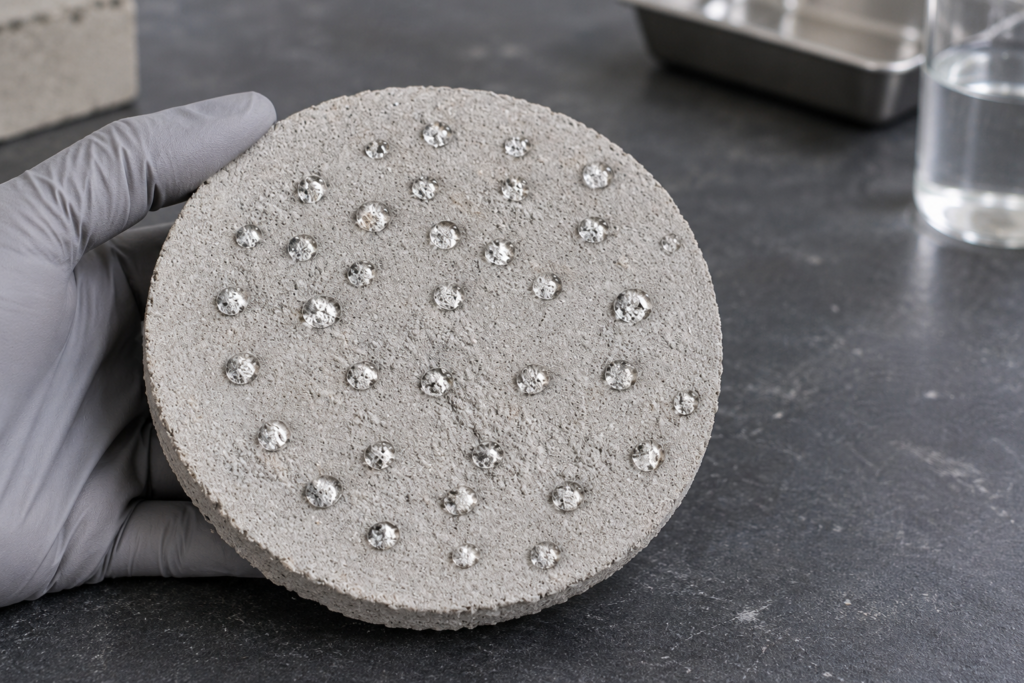
Low water absorption and high resistance to water penetration are essential for protecting concrete and masonry substrates from moisture damage.
Explore the functional requirements that guide material selection, product matching, and application testing.
Low water absorption and high resistance to water penetration are essential for protecting concrete and masonry substrates from moisture damage.
Proper water retention prevents rapid moisture loss, supports complete cement hydration and improves performance on absorbent substrates.
Strong adhesion ensures reliable bonding to concrete, masonry and plaster substrates, reducing peeling and delamination.
Improved crack resistance helps the waterproof layer withstand drying shrinkage and minor substrate movement without losing continuity.
Adequate flexibility allows the mortar to accommodate slight deformation and thermal movement, reducing the risk of cracking.
Good workability makes the mortar easier to mix, spread and level, helping workers create a continuous and uniform waterproof layer.
Strong sag resistance prevents fresh mortar from sliding on vertical surfaces and supports uniform application thickness.
Balanced rheology provides stable consistency, easy application and good material distribution without segregation or excessive stickiness.
Good surface coverage helps fill pores and minor imperfections, reducing weak points and improving the continuity of the waterproofing layer.
Long-term durability helps the mortar resist moisture, temperature changes and environmental exposure while maintaining waterproof performance.
Open each topic to understand common issues and the considerations behind a more stable application result.
Water penetrates through the mortar layer after curing, especially at pores, corners, joints and areas with insufficient application thickness.
The waterproof mortar does not bond firmly to the substrate, causing hollow areas, peeling or delamination after curing.
Shrinkage cracks develop during drying or after exposure to temperature changes, allowing water to penetrate the protective layer.
The mortar loses water too quickly on absorbent or hot substrates, resulting in incomplete hydration, reduced adhesion and surface cracking.
The mortar thickens or sets too quickly after mixing, leaving insufficient time for application, leveling and detailing.
The mixed mortar feels heavy, sticky or difficult to spread, making it hard to achieve a smooth and continuous waterproof layer.
Fresh mortar slides or deforms after application, producing uneven thickness and weak areas on vertical walls.
Small holes, exposed areas or uneven thickness remain after application, creating potential paths for water penetration.
Water separates from the mortar or solid materials settle during mixing and application, resulting in inconsistent performance.
Viscosity, setting time and application behavior vary between production batches, making quality and construction results difficult to control.
Visit each Product page to review the available product-specific key performance information, technical details, and suitability for your requirements.
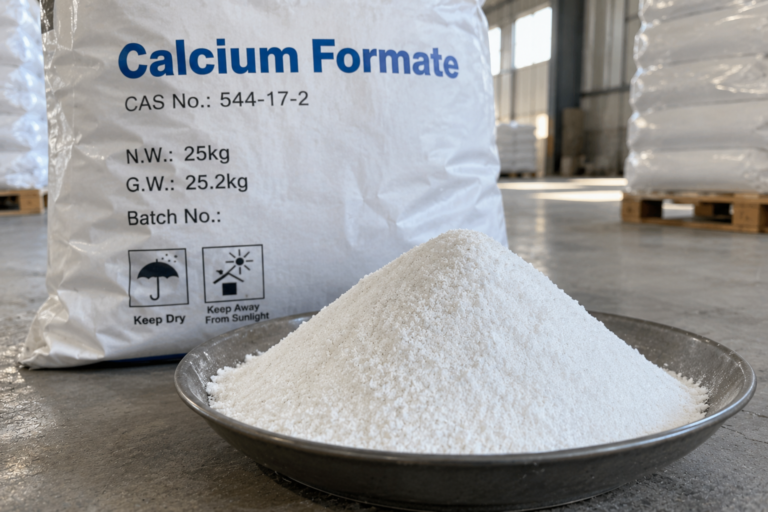
Key performance and technical information are available on the Product page.
View Product Details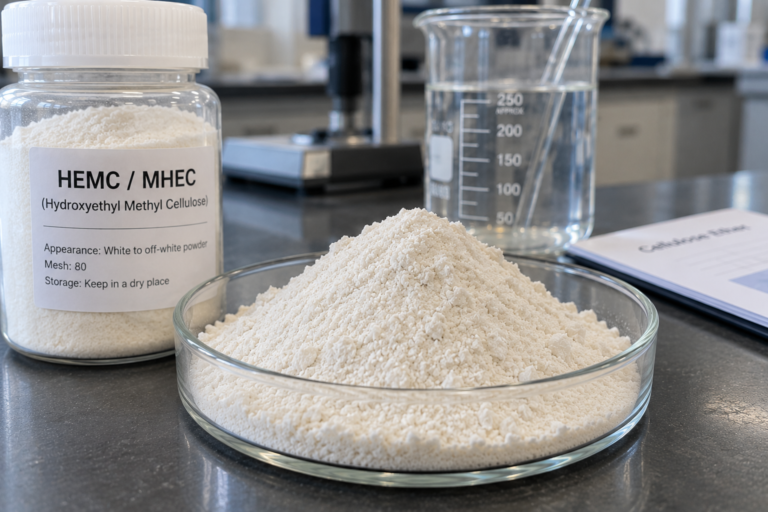
Key performance and technical information are available on the Product page.
View Product Details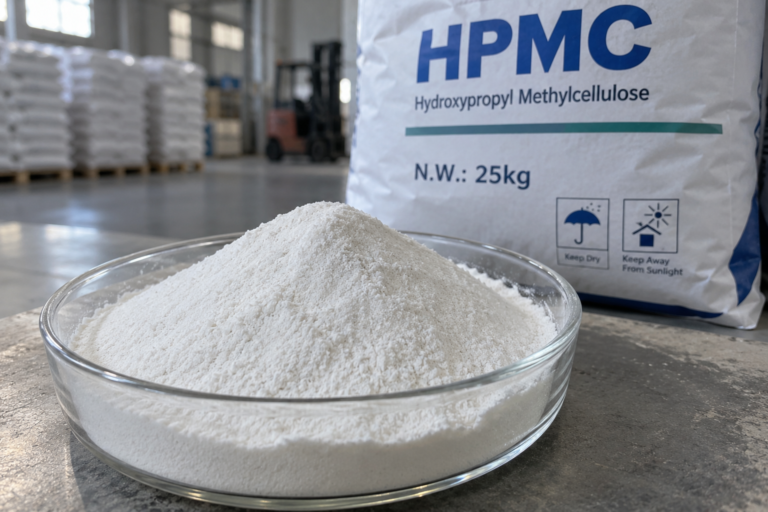
Key performance and technical information are available on the Product page.
View Product Details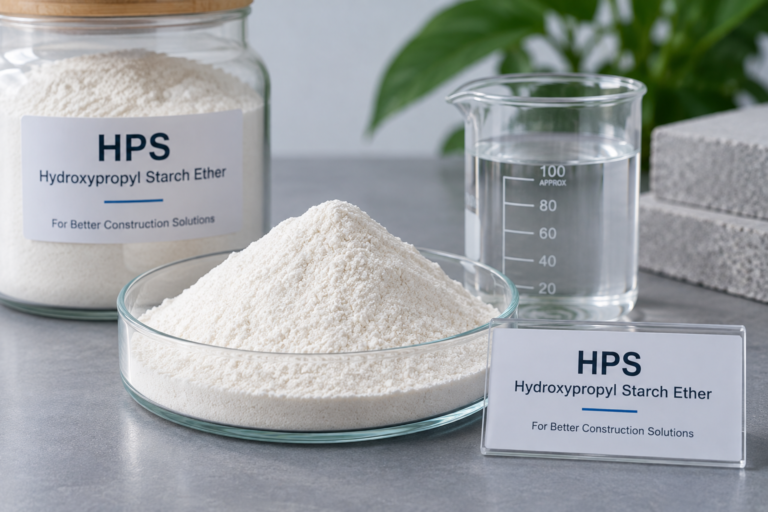
Key performance and technical information are available on the Product page.
View Product Details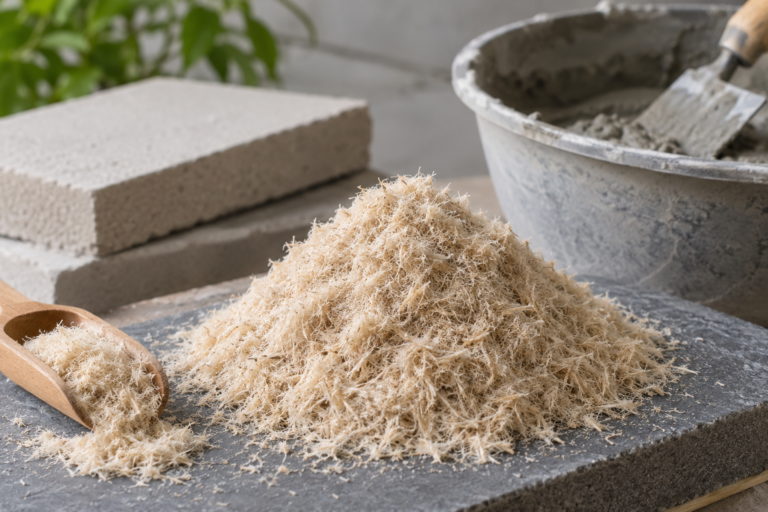
Key performance and technical information are available on the Product page.
View Product Details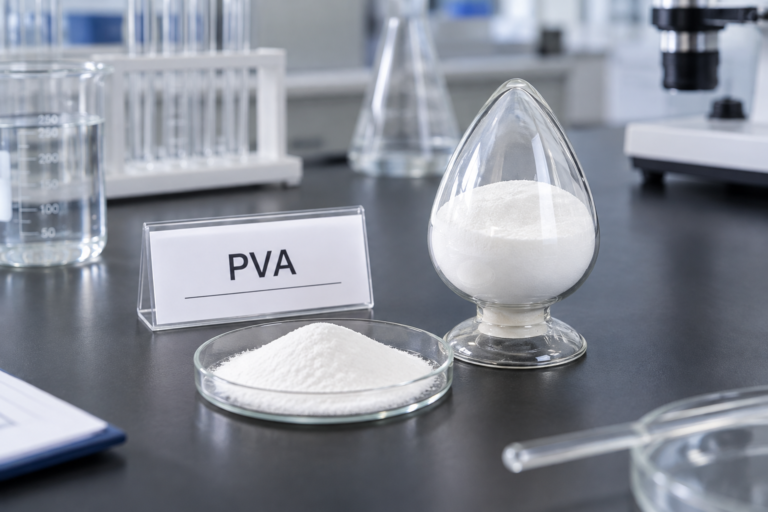
Key performance and technical information are available on the Product page.
View Product Details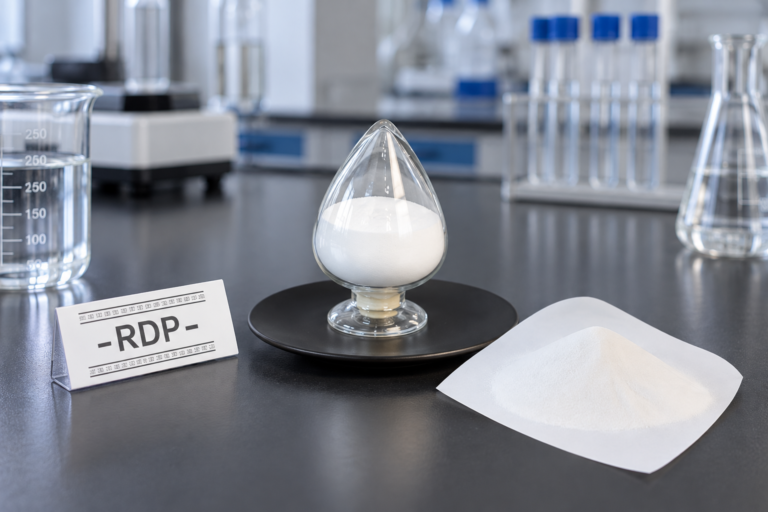
Key performance and technical information are available on the Product page.
View Product Details
Key performance and technical information are available on the Product page.
View Product DetailsUse the recommended Product pages as your starting point for key performance and technical information, then evaluate the best fit for your formulation and application goals.
Review Recommended Products