
+
Adhesion
Strong adhesion ensures reliable bonding between the repair mortar and existing concrete, reducing hollow areas, edge separation and delamination.
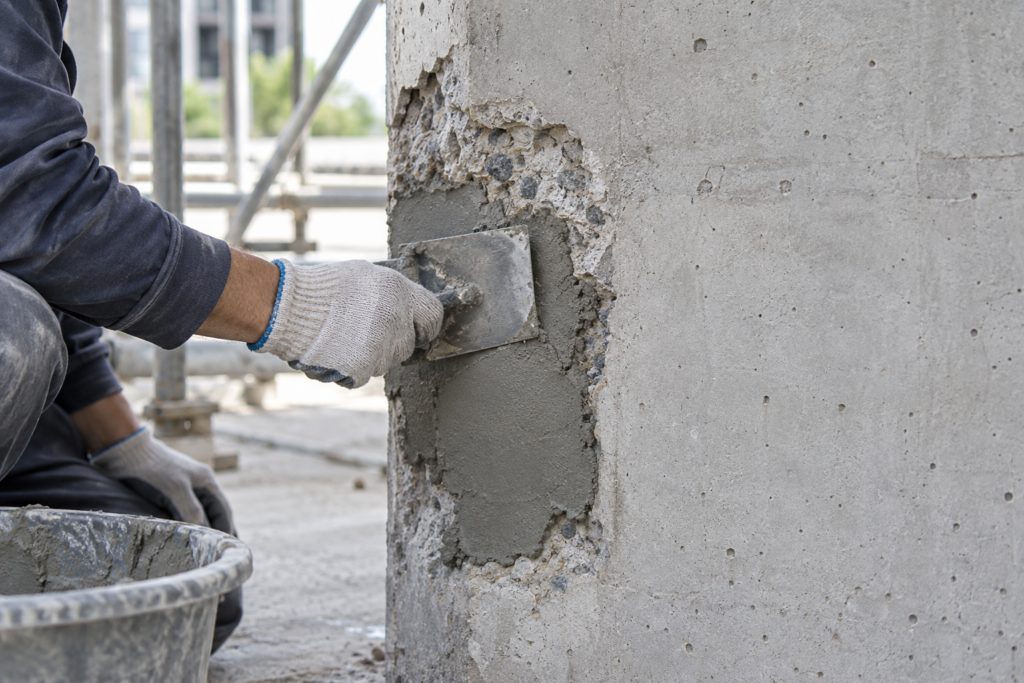
Explore the functional requirements that guide material selection, product matching, and application testing.
Strong adhesion ensures reliable bonding between the repair mortar and existing concrete, reducing hollow areas, edge separation and delamination.
Proper water retention prevents rapid moisture loss to the old concrete substrate and supports complete cement hydration.
Controlled shrinkage reduces cracking and helps maintain a continuous, durable repair layer during drying and curing.
High sag resistance keeps fresh mortar stable on vertical and overhead surfaces and allows the required repair thickness to be maintained.
Good workability makes the mortar easier to mix, place, compact and finish, especially on irregular or damaged concrete surfaces.
Sufficient working time allows contractors to apply, shape and finish the repair mortar before it begins to set.
Rapid early-strength development shortens repair time and allows the restored structure to return to service sooner.
Good build-up capability allows thicker application in one layer without slumping, cracking or detaching from the substrate.
Adequate compressive and flexural strength helps the repaired area withstand structural loads, impact and mechanical wear.
Long-term durability helps the repair mortar resist moisture, freeze–thaw cycles, temperature changes and environmental exposure.
Open each topic to understand common issues and the considerations behind a more stable application result.
The repair mortar does not bond firmly to the existing concrete, resulting in hollow areas, edge separation or delamination after curing.
Cracks develop in the repaired area during drying or curing, reducing durability and allowing water or harmful substances to penetrate.
Fresh mortar slides or deforms when applied to walls, columns or overhead areas, making it difficult to maintain the required repair thickness.
The mixed mortar feels sticky, heavy or difficult to spread and compact, preventing proper filling of damaged or irregular concrete areas.
The repair mortar thickens or sets too quickly after mixing, leaving insufficient time for placement, compaction and surface finishing.
The mortar loses water rapidly to the old concrete substrate or surrounding environment, causing incomplete hydration, cracking and reduced adhesion.
The repaired area develops strength too slowly, delaying subsequent construction and increasing the risk of early damage.
The mortar cannot be applied at the required thickness in a single layer and may slump, fall off or form weak interfaces between layers.
The cured repair surface remains weak or dusty and may wear away under mechanical contact or environmental exposure.
Visit each Product page to review the available product-specific key performance information, technical details, and suitability for your requirements.
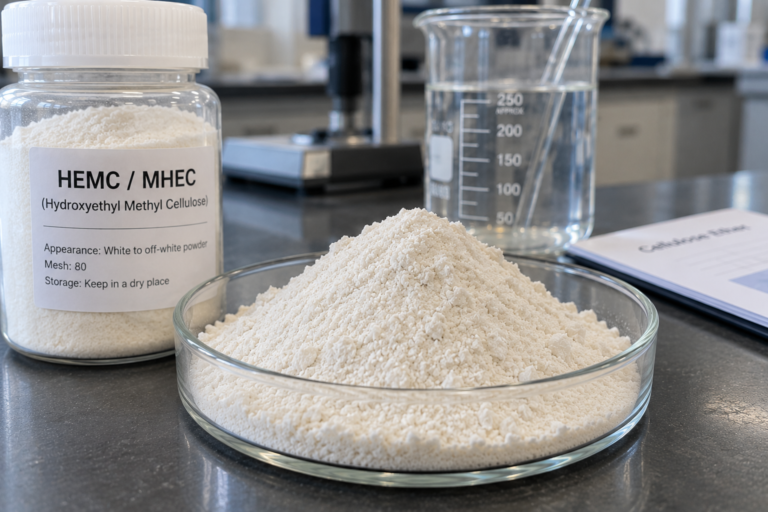
Key performance and technical information are available on the Product page.
View Product Details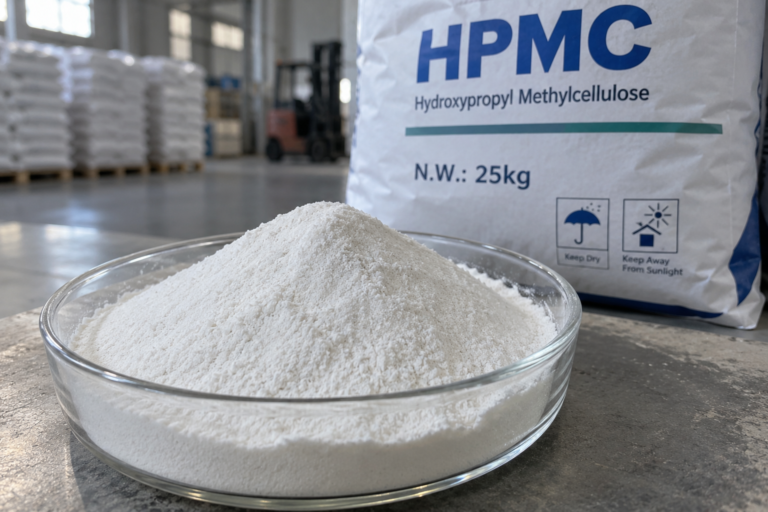
Key performance and technical information are available on the Product page.
View Product Details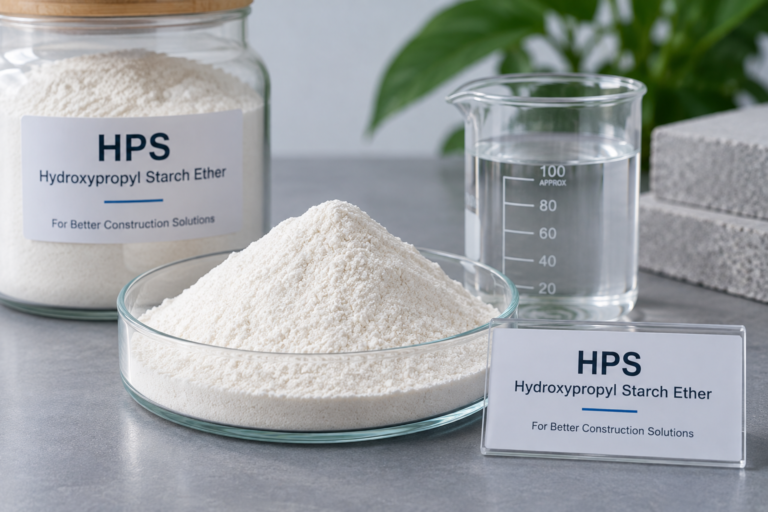
Key performance and technical information are available on the Product page.
View Product Details
Key performance and technical information are available on the Product page.
View Product Details
Key performance and technical information are available on the Product page.
View Product DetailsUse the recommended Product pages as your starting point for key performance and technical information, then evaluate the best fit for your formulation and application goals.
Review Recommended Products