
+
Viscosity and Rheology Control
Provides the required viscosity and flow behavior, ensuring the liquid detergent is easy to pour, pump, dose, and spread while maintaining a rich and consistent texture.
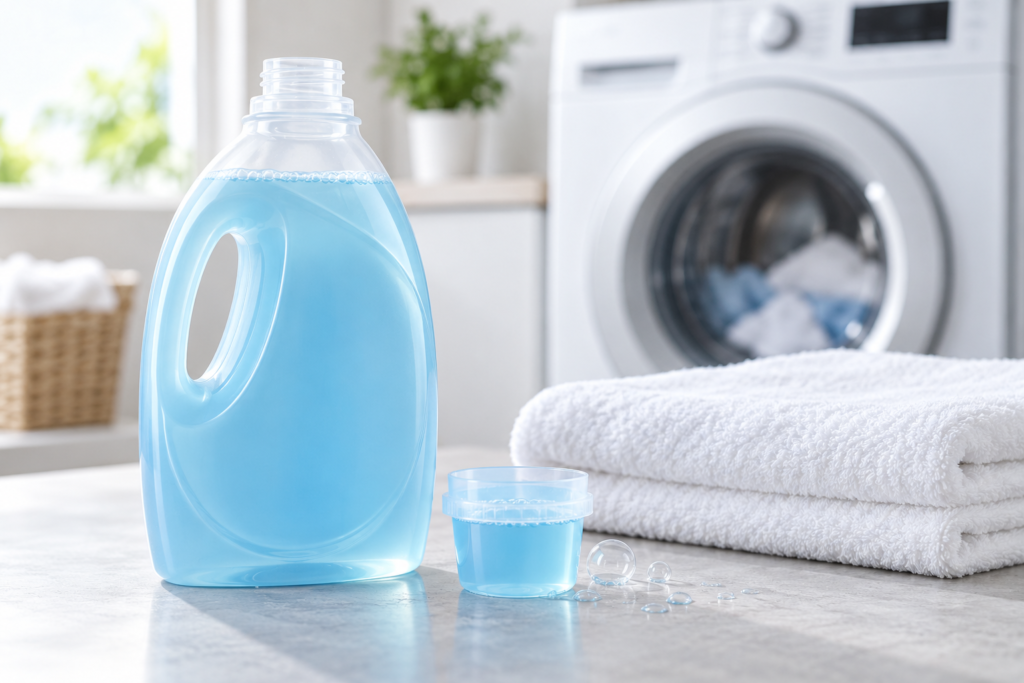
Explore the functional requirements that guide material selection, product matching, and application testing.
Provides the required viscosity and flow behavior, ensuring the liquid detergent is easy to pour, pump, dose, and spread while maintaining a rich and consistent texture.
Maintains consistent viscosity and a uniform appearance during storage, helping prevent phase separation, sedimentation, and performance changes over time.
Keeps insoluble particles, fragrances, pigments, enzymes, and other functional ingredients evenly distributed throughout the formulation.
Provides stable thickening performance in formulations containing anionic, nonionic, or amphoteric surfactants without causing precipitation or significant viscosity loss.
Maintains reliable viscosity across different salt concentrations and pH conditions, supporting stable performance in a wide range of detergent formulations.
Balances thickness and flow to prevent splashing or dripping while allowing smooth pouring, pumping, and accurate product dosing.
Supports a smooth, homogeneous, and visually appealing product by reducing lumps, uneven texture, and visible separation.
Allows the thickener to disperse and dissolve efficiently during production, helping shorten mixing time and achieve uniform viscosity without undissolved particles.
Open each topic to understand common issues and the considerations behind a more stable application result.
The finished liquid detergent is too thin and flows too quickly, resulting in poor dosing control, splashing, leakage, and a weak product texture.
The detergent becomes too thick or gel-like, making it difficult to mix, pump, fill, pour, or dissolve properly during use.
The viscosity increases or decreases noticeably during production or storage, causing inconsistent texture, filling performance, and batch-to-batch quality.
The formulation separates into visible layers during storage, resulting in an uneven appearance, inconsistent composition, and reduced product stability.
Pigments, fragrances, enzymes, active particles, or other insoluble ingredients settle or float, causing uneven distribution and inconsistent cleaning performance.
The thickener forms lumps or fish-eyes when added to water, leading to incomplete dissolution, uneven viscosity, longer mixing time, and production inefficiency.
The formulation becomes noticeably thinner after surfactants or other active ingredients are added, making it difficult to reach and maintain the target viscosity.
Changes in salt concentration or pH cause sudden thickening, thinning, precipitation, or instability, making formulation adjustment and quality control difficult.
The finished detergent becomes cloudy or contains visible particles and uneven areas, reducing the visual quality of transparent or translucent products.
Different production batches show variations in viscosity, appearance, stability, or pourability even when the same formulation and processing conditions are used.
Visit each Product page to review the available product-specific key performance information, technical details, and suitability for your requirements.
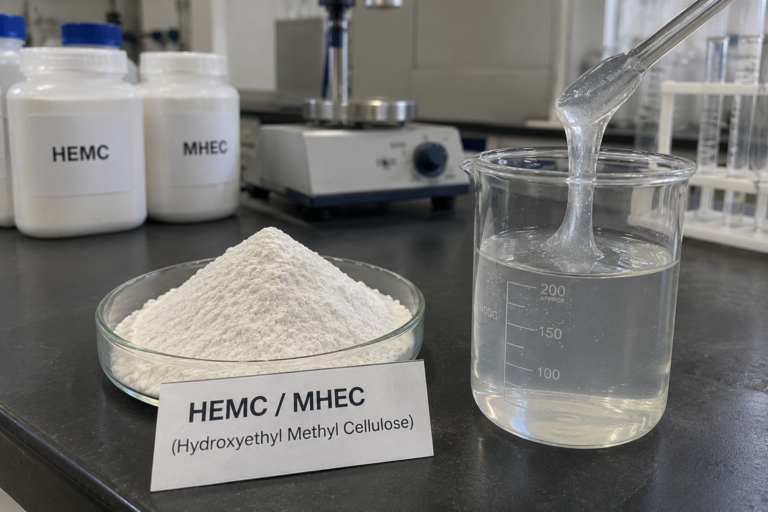
Key performance and technical information are available on the Product page.
View Product Details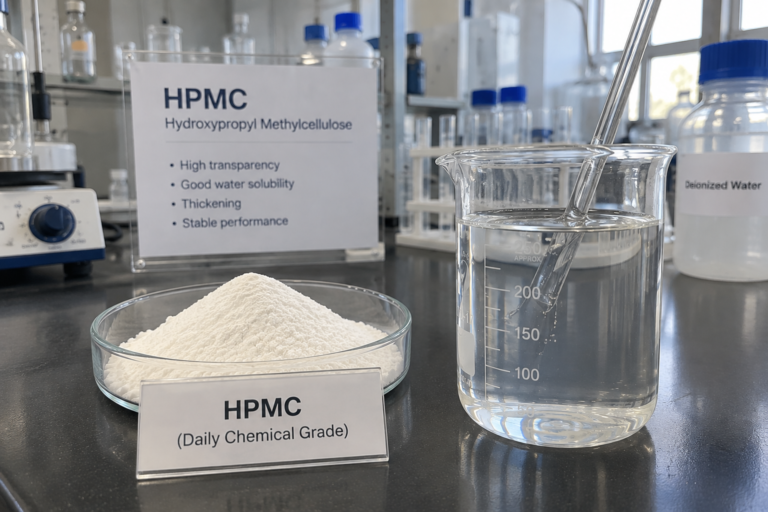
Key performance and technical information are available on the Product page.
View Product DetailsUse the recommended Product pages as your starting point for key performance and technical information, then evaluate the best fit for your formulation and application goals.
Review Recommended Products