
+
Viscosity Control
Maintains the required paint viscosity during production, storage, tinting, and application, ensuring consistent flow, film build, and coverage.
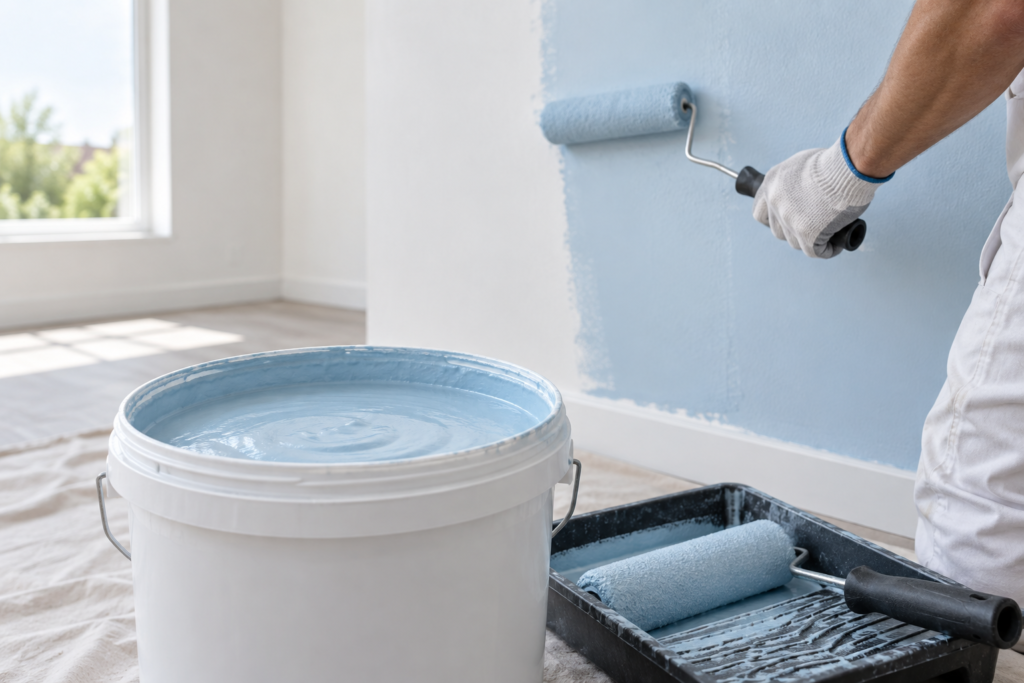
Explore the functional requirements that guide material selection, product matching, and application testing.
Maintains the required paint viscosity during production, storage, tinting, and application, ensuring consistent flow, film build, and coverage.
Balances paint flow at different shear rates, providing good storage stability, easy application, sag resistance, and surface leveling.
Keeps pigments and fillers evenly suspended during storage, reducing settling, hard sediment formation, and uneven paint composition.
Maintains stable viscosity, appearance, and particle distribution throughout the intended shelf life, reducing separation and viscosity drift.
Prevents wet paint from flowing downward on vertical surfaces, helping maintain uniform film thickness without runs or curtains.
Allows brush marks, roller patterns, and spray texture to flow out before drying, producing a smooth and uniform finished surface.
Provides smooth brushing, rolling, and spraying with balanced flow and reduced drag, improving application efficiency and surface quality.
Reduces paint droplets released from rollers during application, minimizing material loss, surface contamination, and cleanup work.
Controls water evaporation and maintains a suitable wet edge, allowing adjacent areas to blend properly and reducing visible lap marks.
Supports even distribution of pigments and colorants, reducing floating, flooding, streaking, and visible shade differences.
Maintains stable thickening performance with emulsions, pigments, fillers, surfactants, salts, colorants, and other coating additives.
Allows the thickener to disperse and dissolve efficiently during production, reducing lumps, fish-eyes, mixing time, and uneven viscosity.
Helps maintain stable processing and application with fewer trapped air bubbles, reducing pinholes, craters, and other surface defects.
Open each topic to understand common issues and the considerations behind a more stable application result.
The paint shows noticeable viscosity changes during production, storage, tinting, or application, resulting in inconsistent flow, film build, and application performance.
The finished paint is too thin and flows too quickly, causing dripping, poor roller loading, low film build, and difficulty in achieving uniform coverage.
Pigments and fillers settle at the bottom of the container during storage, forming sediment that is difficult to redisperse and causing uneven product composition.
A visible liquid layer forms on the surface of the paint during storage, while thicker material remains underneath, resulting in an uneven appearance and inconsistent performance.
The thickener interacts poorly with emulsions, pigments, surfactants, salts, colorants, or other additives, causing viscosity loss, flocculation, separation, or uneven texture.
The paint becomes significantly thinner after colorants are added, causing dripping, sagging, reduced film build, and inconsistent application behavior.
The wet paint flows downward after application on vertical surfaces, producing visible runs, curtains, and uneven film thickness.
The applied paint dries too quickly and loses its wet edge before adjacent areas can be blended, resulting in visible lap marks and uneven surface appearance.
Visit each Product page to review the available product-specific key performance information, technical details, and suitability for your requirements.
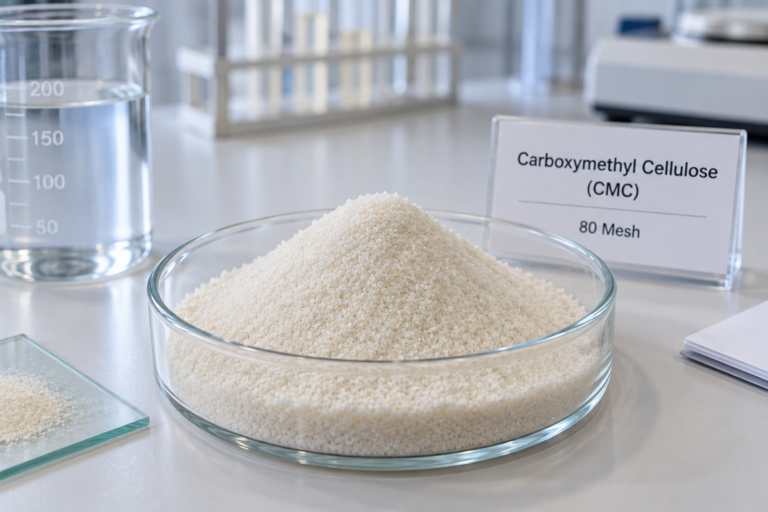
Key performance and technical information are available on the Product page.
View Product Details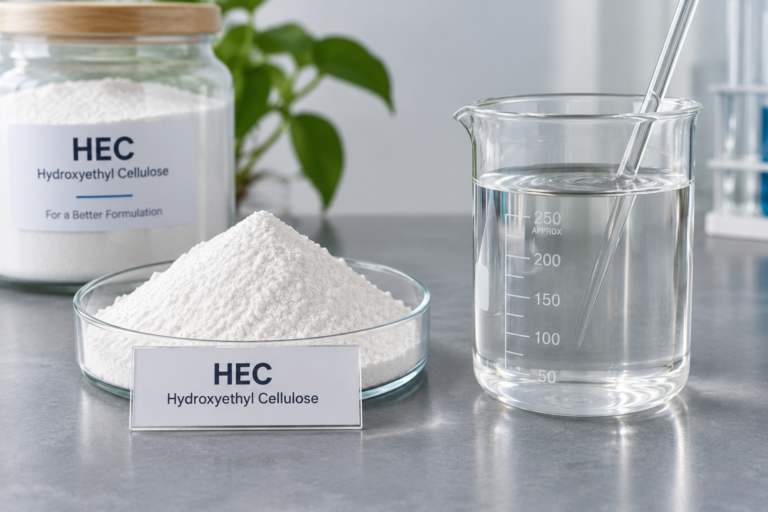
Key performance and technical information are available on the Product page.
View Product Details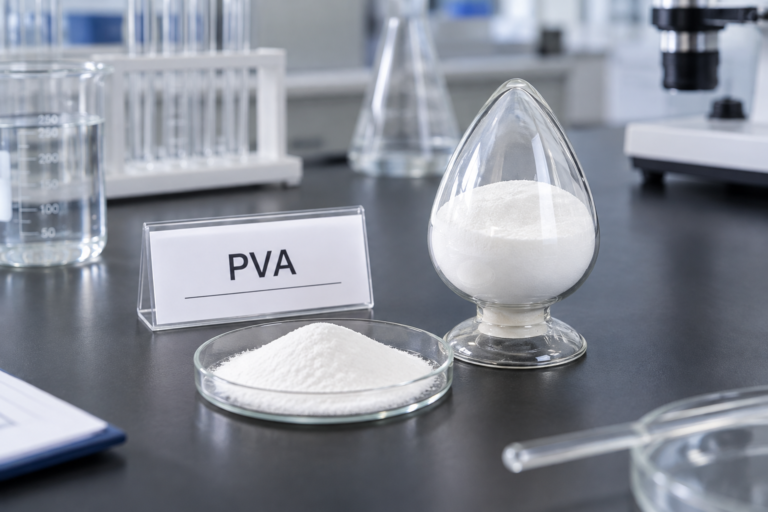
Key performance and technical information are available on the Product page.
View Product DetailsUse the recommended Product pages as your starting point for key performance and technical information, then evaluate the best fit for your formulation and application goals.
Review Recommended Products