
+
Crack Resistance
Reduces plastic shrinkage and drying shrinkage cracks by distributing internal stress throughout the mortar matrix, improving long-term surface integrity.
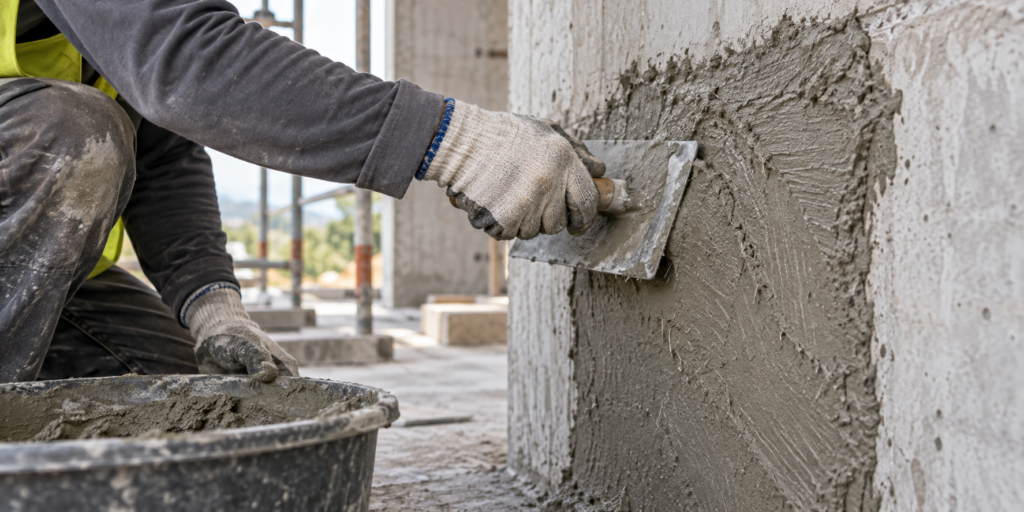
Explore the functional requirements that guide material selection, product matching, and application testing.
Reduces plastic shrinkage and drying shrinkage cracks by distributing internal stress throughout the mortar matrix, improving long-term surface integrity.
Ensures fibers are evenly distributed throughout the mortar without clumping, allowing consistent reinforcement and stable performance across the entire mixture.
Improves the mortar’s ability to withstand bending stress and minor structural movement without cracking or breaking.
Enhances resistance to impact, vibration, and mechanical damage, making the hardened mortar more durable in demanding applications.
Helps control dimensional changes during drying and curing, reducing internal stress, surface cracking, and separation from the substrate.
Prevents rapid water loss into the substrate or surrounding environment, supporting proper cement hydration and reducing the risk of weak or powdery surfaces.
Provides smooth mixing, spreading, and finishing while reducing drag caused by fiber addition, helping workers achieve a uniform mortar layer.
Improves internal cohesion and shape stability, reducing segregation, fiber settlement, and mortar sagging during vertical application.
Strengthens bonding between the mortar and the substrate, reducing hollowing, delamination, and failure under stress or environmental changes.
Improves resistance to repeated stress, temperature changes, moisture exposure, and surface deterioration, extending the service life of the mortar system.
Open each topic to understand common issues and the considerations behind a more stable application result.
Fibers form visible balls or clusters during dry blending or wet mixing instead of dispersing evenly throughout the mortar. This creates localized weak areas and makes the mortar difficult to apply consistently.
Fibers are concentrated in some areas while other parts of the mortar contain few or no fibers. The finished mortar shows inconsistent crack resistance, strength, and surface quality.
The fiber-reinforced mortar feels too stiff, sticky, or difficult to spread and level. Workers require greater effort during application, reducing construction efficiency and affecting the uniformity of the finished layer.
Fine cracks develop on the mortar surface during the early drying stage, especially under hot, dry, or windy conditions. The cracks may appear before the mortar has developed sufficient strength.
Cracks appear after the mortar has hardened due to volume changes during drying. These cracks reduce surface integrity and may allow moisture to penetrate the finished mortar layer.
Mortar loses water too quickly after application, particularly on absorbent substrates or in hot and dry environments. Rapid water loss causes difficult finishing, insufficient cement hydration, and increased cracking risk.
The hardened mortar does not bond firmly to concrete, bricks, blocks, or other substrates. Hollow areas, edge lifting, delamination, or detachment may occur during curing or later service.
The mortar is difficult to smooth and may leave visible fibers, drag marks, uneven textures, or raised areas on the finished surface. Additional finishing work is often required to obtain an acceptable appearance.
Fibers remain visible or protrude from the mortar surface after application and finishing. This affects surface appearance and may interfere with subsequent coatings or decorative finishes.
Cracks still develop easily after curing even though fibers have been added. This indicates that the mortar is not achieving the expected control of microcracking or stress distribution.
The hardened mortar chips, fractures, or becomes damaged easily when subjected to impact or mechanical stress. The expected reinforcement effect is not achieved consistently throughout the mortar layer.
Fresh mortar slips or deforms after being applied to vertical or overhead surfaces. The applied layer cannot maintain the required thickness, resulting in uneven coverage and additional correction work.
Visit each Product page to review the available product-specific key performance information, technical details, and suitability for your requirements.
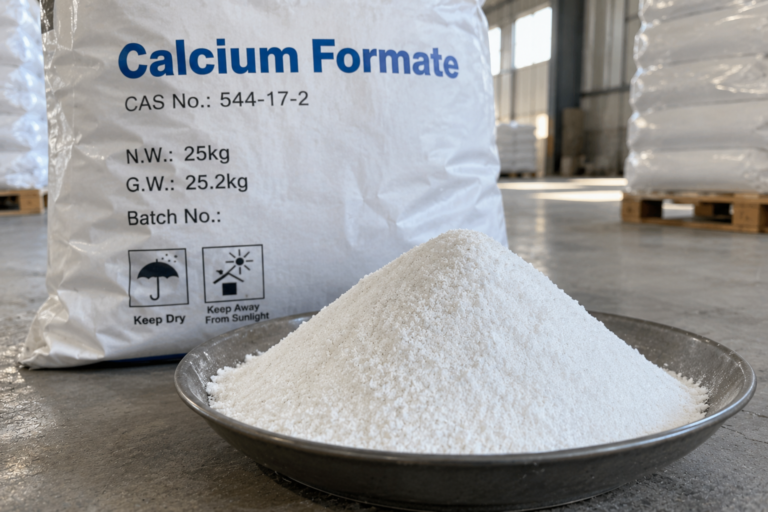
Key performance and technical information are available on the Product page.
View Product Details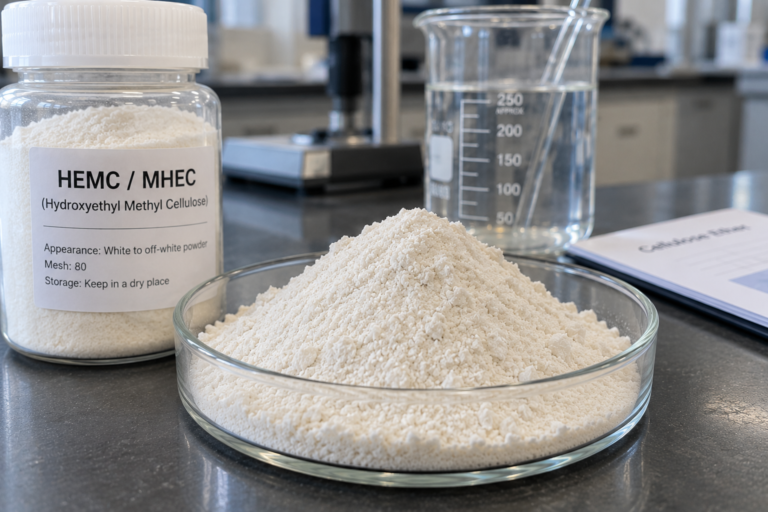
Key performance and technical information are available on the Product page.
View Product Details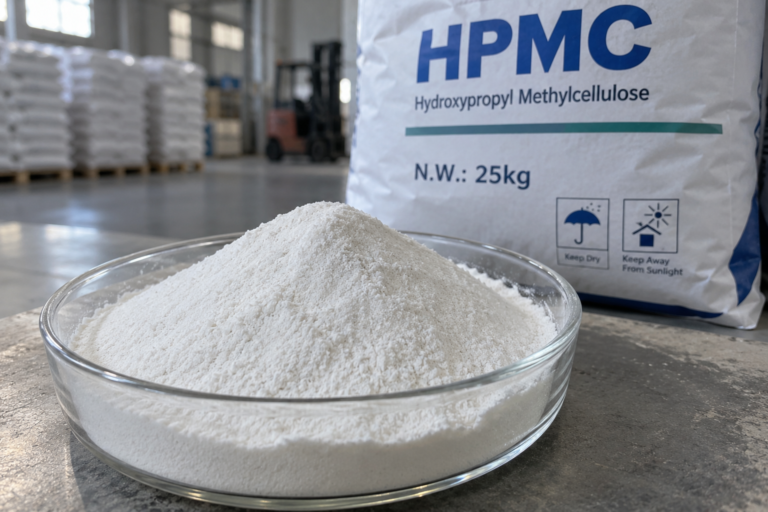
Key performance and technical information are available on the Product page.
View Product Details
Key performance and technical information are available on the Product page.
View Product Details
Key performance and technical information are available on the Product page.
View Product Details
Key performance and technical information are available on the Product page.
View Product Details
Key performance and technical information are available on the Product page.
View Product Details
Key performance and technical information are available on the Product page.
View Product DetailsUse the recommended Product pages as your starting point for key performance and technical information, then evaluate the best fit for your formulation and application goals.
Review Recommended Products