
Test Beyond the COA.
A certificate of analysis confirms key product specifications. Real performance is proven only when an additive works reliably in your cement, gypsum, fillers, formulation, climate, and production process.
- 1:1
- Competitor Benchmarking
- Multi-step
- Formula Validation
- Ongoing
- Technical Feedback
The practical question
Does the product deliver the expected result in your actual formulation?
Specifications matter. Formulation behavior matters more.
Viscosity, moisture, ash content, pH, and other COA values are important quality-control indicators. However, they cannot fully predict how a product will interact with every formulation system.
Cement type, gypsum source, sand grading, fillers, polymer dosage, mixing conditions, temperature, and application method can all change the final result. That is why selection should be confirmed through comparative application testing, not by COA comparison alone.
A COA is a snapshot
It verifies measurable product parameters for a batch, but it does not reproduce the full chemistry and processing conditions of your factory.
Raw materials vary
Different cement, gypsum, calcium carbonate, sand, and additives can change water demand, workability, setting behavior, and bonding results.
One grade can behave differently
A product that performs well in one tile adhesive or wall putty formulation may require a dosage or grade adjustment in another.
Testing reduces switching risk
A structured sample-to-bulk validation process gives you evidence before changing suppliers or expanding purchase volume.
From current product to confident application.
Our technical approach starts with understanding the product you use today, then develops a comparable and optimized solution around your real requirements.
-
1
Understand Your Baseline
We review the current brand or grade, application, dosage, target performance, and any issues you want to improve.
-
2
Benchmark the Formula
Our team selects an initial comparable grade and evaluates it against the reference sample in a relevant formulation system.
-
3
Validate in Your Test
You test the sample with your own raw materials, equipment, operators, and quality standards--the conditions that truly matter.
-
4
Adjust and Confirm
We analyze feedback, refine grade selection or dosage where needed, and support further testing until the result fits your application.
Iterative technical support
A failed test is feedback--not the end of the project.
If the initial sample does not meet the target, we identify the specific performance gap, review available formulation details, compare against the reference product, and recommend the next adjustment.
What we look for in an application test.
Test priorities differ by product and end use. For tile adhesive, bond strength and open time may be critical. For wall putty or plaster, smoothness, water retention, and workability may lead the evaluation.
The objective is not simply to match a laboratory number.
It is to achieve stable, practical performance that supports efficient production and reliable on-site application.
Workability
Mixing behavior, consistency, spreadability, troweling feel, slip resistance, and ease of application.
Water Retention
The ability to retain sufficient water for hydration, workable consistency, and reliable application performance.
Open Time
The usable time window after application, assessed alongside skin formation, tile placement, and bonding requirements.
Adhesion
Bond strength and bonding reliability under relevant curing, tensile, shear, immersion, or aging conditions.
Sag & Slip Resistance
Resistance to vertical movement, deformation, and tile slip during application and early setting stages.
Setting & Surface Quality
Setting profile, finish, smoothness, crack tendency, cohesion, and the visual quality expected from the final system.
Built for real application systems.
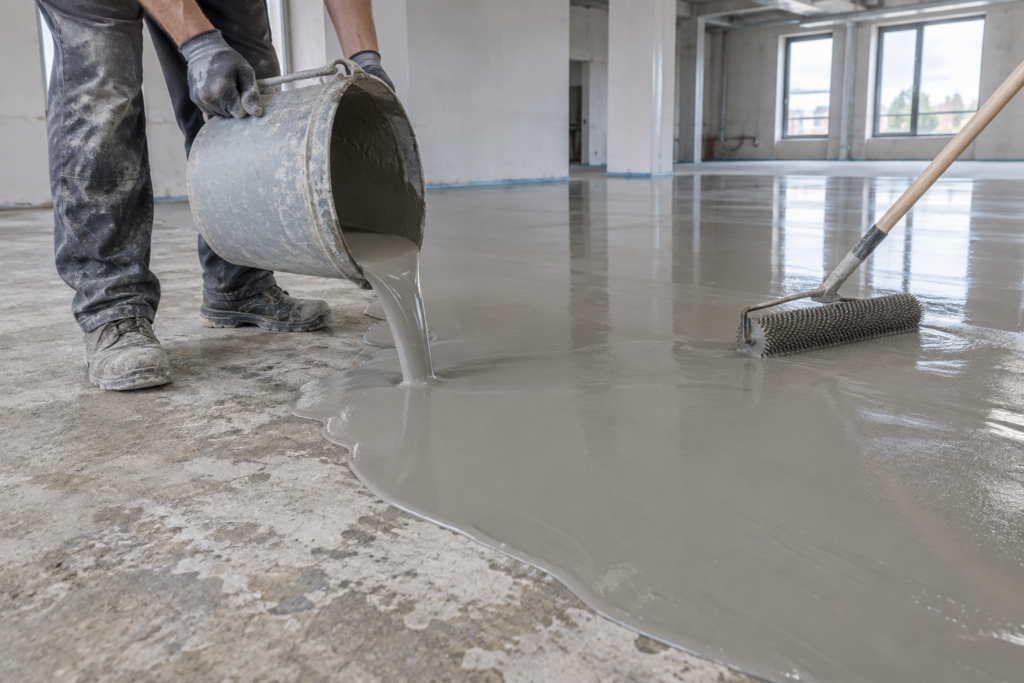
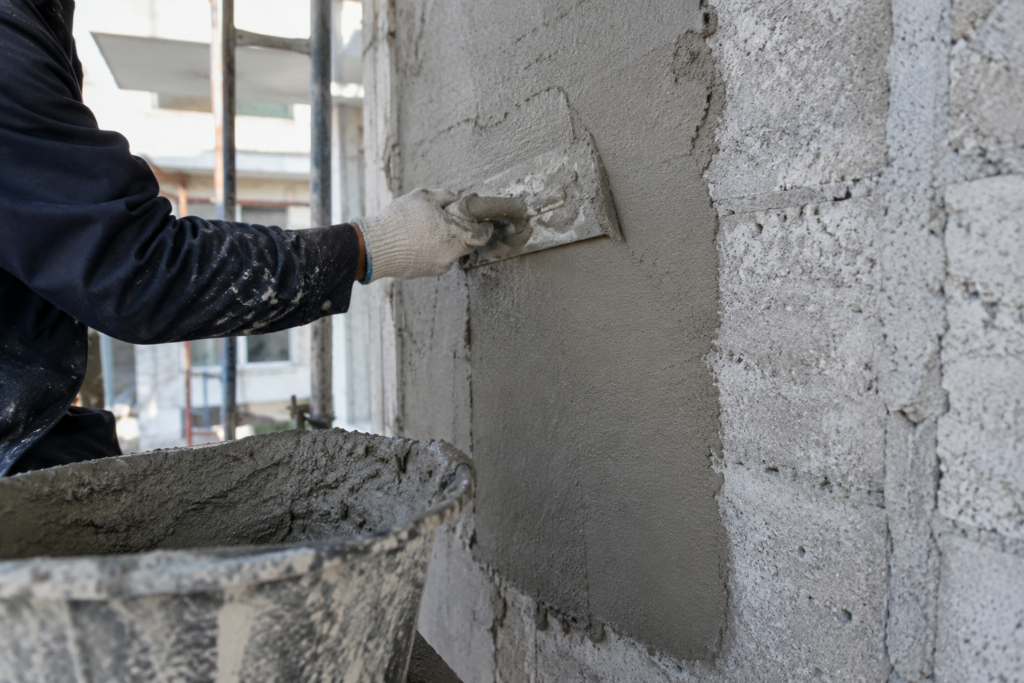
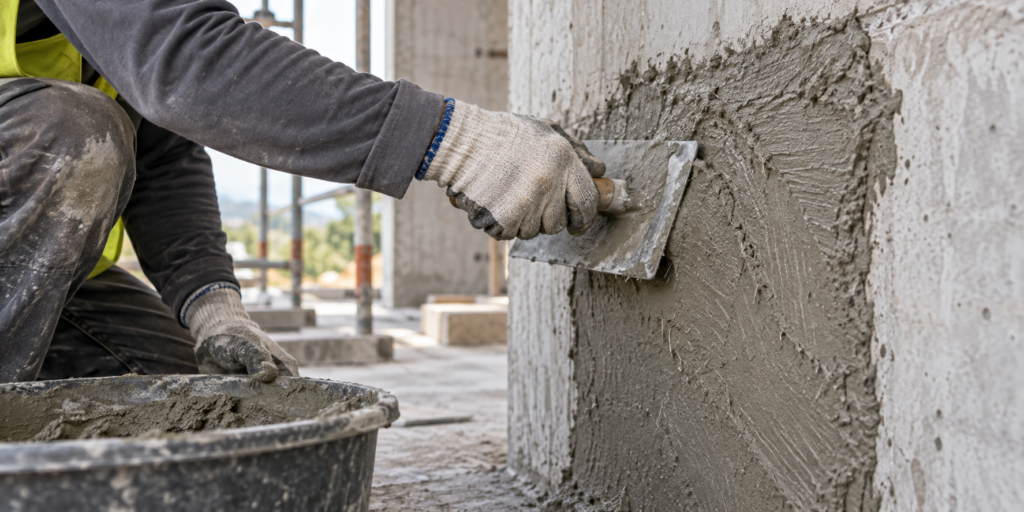
Explore common construction material applications, their formulation challenges, and the performance priorities that guide product selection.



Find the right fit for your formulation.
Share your application, current product, target performance, and testing requirements. Our team will help you begin with a practical benchmark and a clear validation path.