
+
Water Retention
Helps the adhesive retain sufficient water during application, supporting cement hydration and maintaining consistent bonding and workability, especially on absorbent substrates.
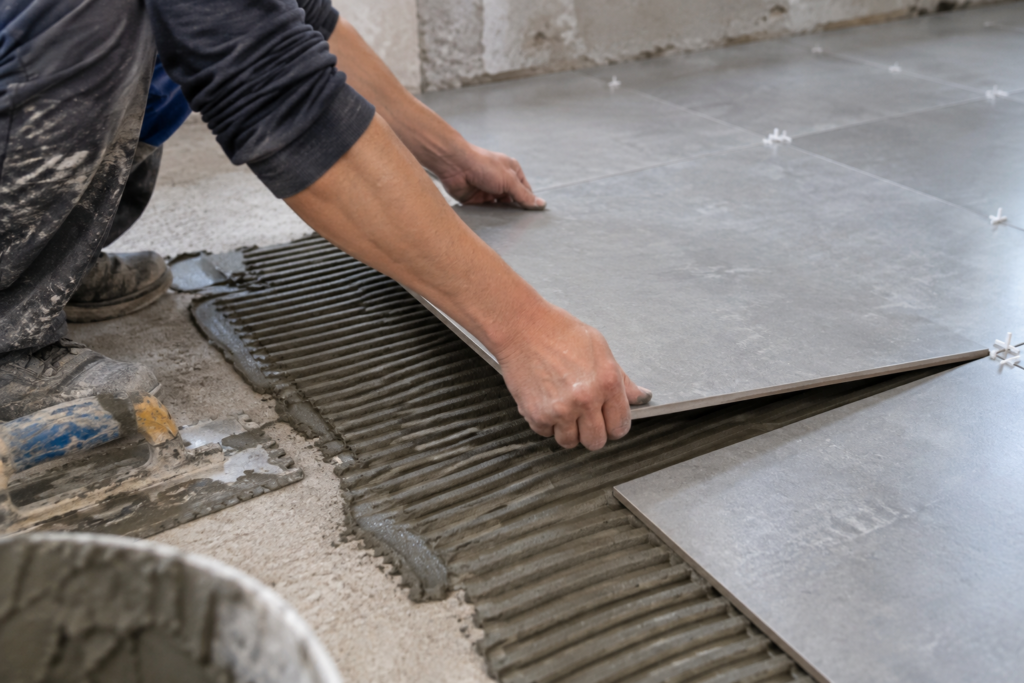
Explore the functional requirements that guide material selection, product matching, and application testing.
Helps the adhesive retain sufficient water during application, supporting cement hydration and maintaining consistent bonding and workability, especially on absorbent substrates.
Maintains the adhesive’s workable and bonding properties for a longer period after application, giving installers sufficient time to place and adjust tiles.
Improves mixing, spreading, combing, and adjustment of the adhesive, providing a smoother and more consistent application experience.
Helps prevent tiles from sliding or sagging after installation, particularly on vertical surfaces, by providing appropriate rheological and structural control.
Supports strong and durable bonding between the adhesive, tile, and substrate, helping reduce the risk of debonding and tile detachment.
Helps the adhesive accommodate substrate movement, thermal changes, and minor deformation while maintaining bonding performance and reducing the risk of cracking.
Controls the flow, consistency, viscosity, and structural behavior of the adhesive to achieve a balanced combination of workability, spreadability, and sag resistance.
Helps maintain stable adhesive performance from batch to batch, supporting consistent viscosity, water retention, workability, and application performance during production and use.
Open each topic to understand common issues and the considerations behind a more stable application result.
The adhesive loses moisture too quickly after application, leaving insufficient time for tile installation and adjustment. This may reduce bonding performance, especially during large-area installation.
The adhesive releases water too quickly, particularly when applied to highly absorbent substrates. This can affect cement hydration, workability, open time, and bonding performance.
Tiles may slide downward after being installed on vertical surfaces when the adhesive does not provide sufficient sag resistance and rheological control.
The adhesive may be difficult to mix, spread, comb, or adjust during application, resulting in poor application feel and reduced installation efficiency.
The adhesive may not provide sufficient bonding strength between the tile and substrate, increasing the risk of debonding, hollow areas, or tile detachment.
The hardened adhesive may have insufficient flexibility to accommodate substrate movement, thermal changes, or deformation, increasing the risk of cracking or loss of adhesion.
Different production batches may show variations in viscosity, water retention, workability, or bonding performance, making it difficult to maintain consistent product quality.
Excessive use of cellulose ethers or polymer additives can increase formulation costs. The challenge is to achieve the required performance while maintaining a cost-effective formulation.
Visit each Product page to review the available product-specific key performance information, technical details, and suitability for your requirements.
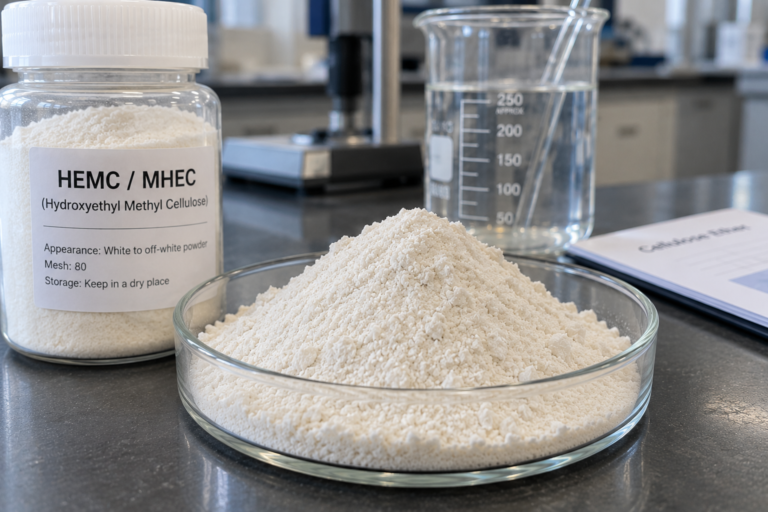
Key performance and technical information are available on the Product page.
View Product Details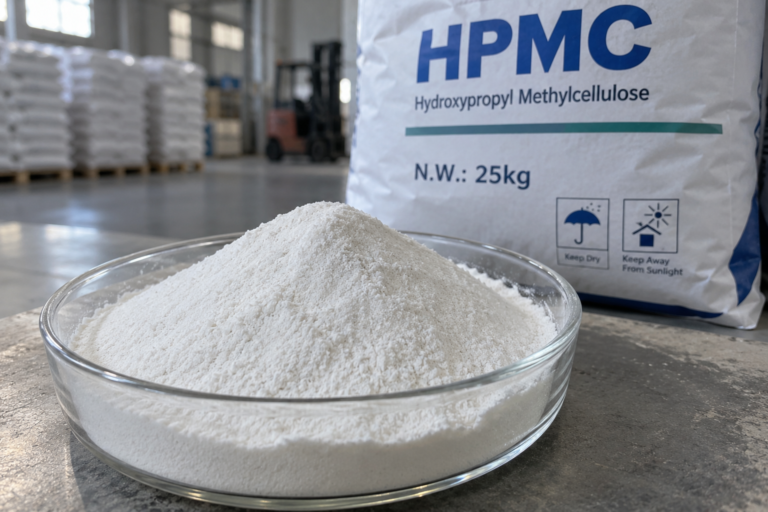
Key performance and technical information are available on the Product page.
View Product Details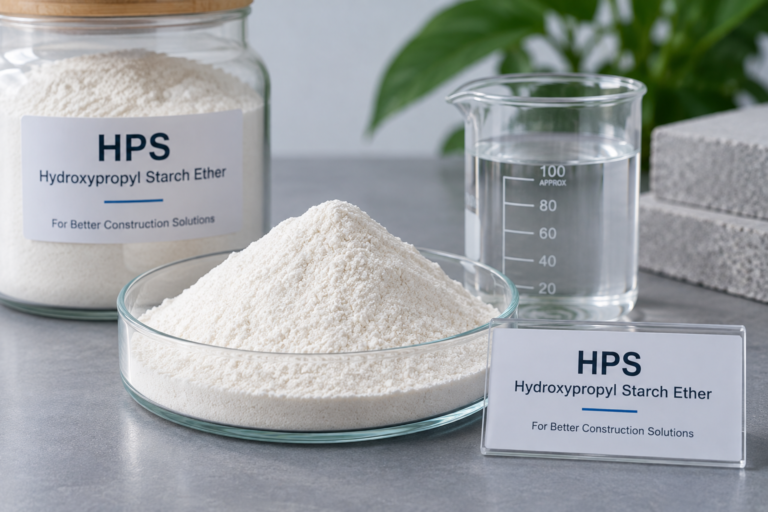
Key performance and technical information are available on the Product page.
View Product Details
Key performance and technical information are available on the Product page.
View Product Details
Key performance and technical information are available on the Product page.
View Product DetailsUse the recommended Product pages as your starting point for key performance and technical information, then evaluate the best fit for your formulation and application goals.
Review Recommended Products