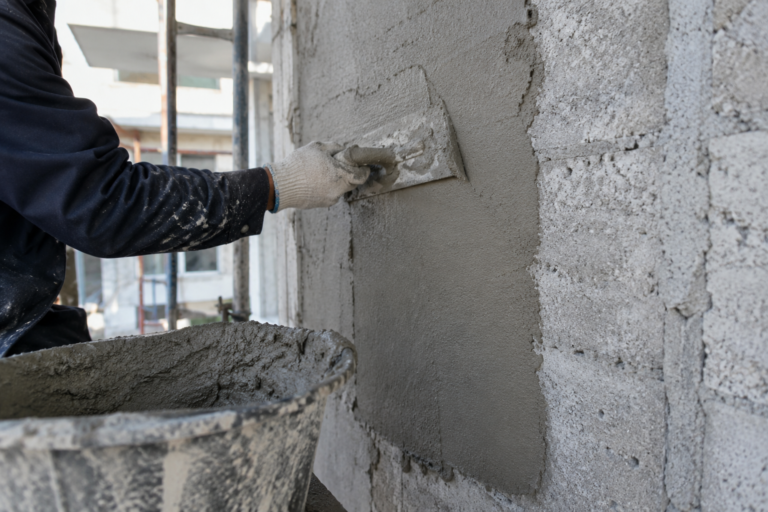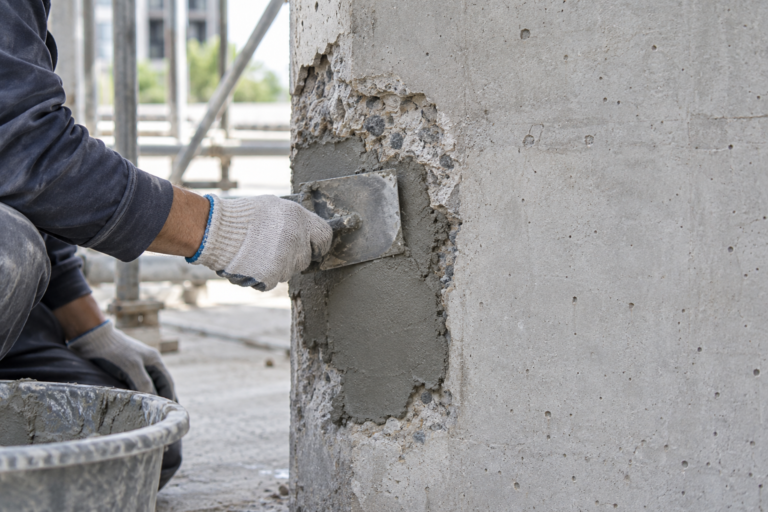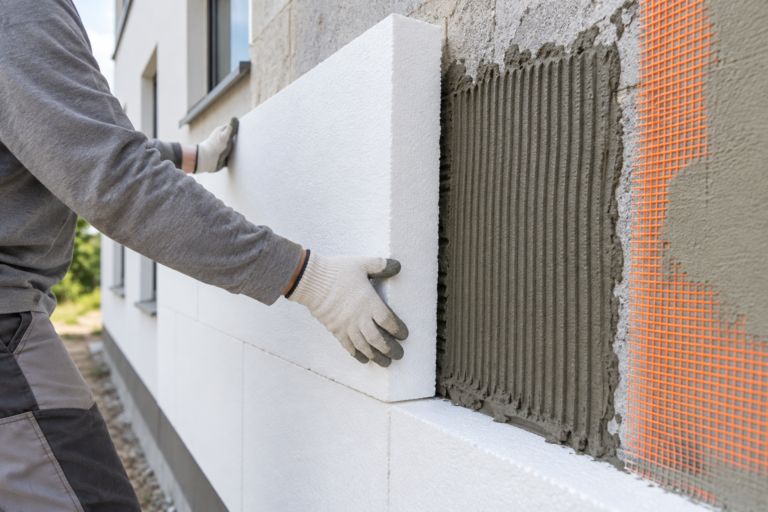
Crack Resistance
Helps control plastic shrinkage and early-age cracking in concrete and mortar, improving the integrity and durability of cement-based materials.
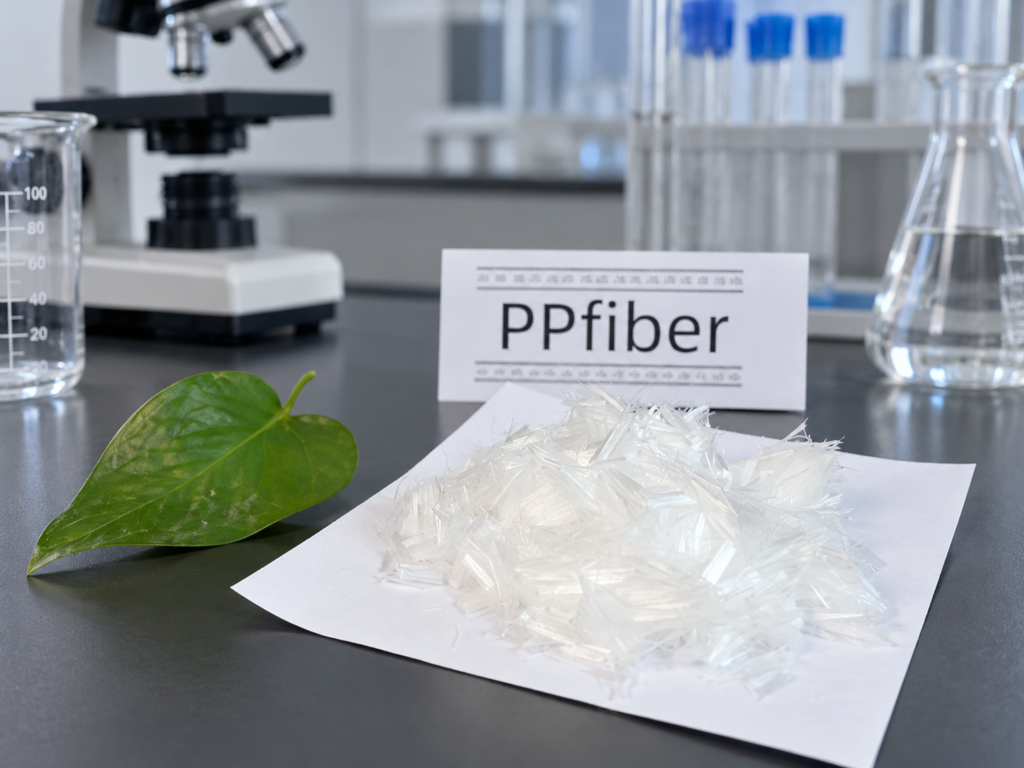
Polypropylene Fiber (PP Fiber) is a synthetic reinforcing fiber designed for concrete, mortar, plaster, screed, and other cement-based construction materials. It is primarily used to control plastic shrinkage cracking and improve the integrity and durability of cementitious systems. By dispersing uniformly throughout the mixture, PP Fiber helps reduce crack formation, improve impact and abrasion resistance, and enhance overall material stability. It provides an easy-to-use and cost-effective reinforcement solution for manufacturers and construction projects requiring improved crack resistance and long-term performance.
Product Advantages
Helps control plastic shrinkage and early-age cracking in concrete and mortar, improving the integrity and durability of cement-based materials.
Helps distribute internal stresses caused by plastic shrinkage, reducing the formation and development of shrinkage cracks.
Helps improve resistance to impact and mechanical damage, supporting better durability of concrete and mortar during service.
Helps improve surface resistance to wear and abrasion, making cement-based materials more durable under repeated use and mechanical exposure.
Forms a three-dimensional fiber network within the cementitious matrix, helping improve cohesion and maintain overall material integrity after cracking begins.
Product Data
| Parameter | Value | Unit | Note |
|---|---|---|---|
| Material | 100% Polypropylene | — | Virgin polypropylene |
| Fiber Length | 3 / 6 / 9 / 12 | mm | Different lengths available for different applications |
| Density | Approx. 0.91 | g/cm³ | Typical value |
| Tensile Strength | ≥450 | MPa | Typical value |
| Elongation at Break | 15–25 | % | Typical value |
| Melting Point | 160–170 | °C | Typical value |
| Acid & Alkali Resistance | Excellent | — | Suitable for cement-based alkaline environments |
Use Cases
Resources