
+
Water Retention
Prevents rapid water loss to the substrate and surrounding environment, supports proper cement hydration, and reduces drying, powdering, and cracking.
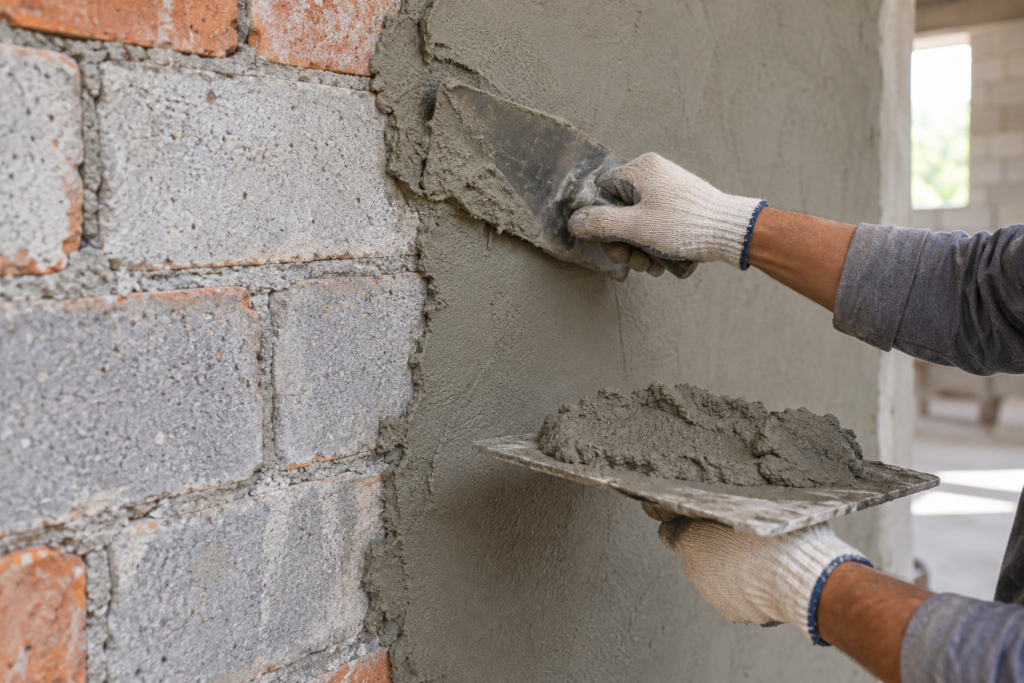
Explore the functional requirements that guide material selection, product matching, and application testing.
Prevents rapid water loss to the substrate and surrounding environment, supports proper cement hydration, and reduces drying, powdering, and cracking.
Provides a smooth and creamy consistency, making the mortar easier to mix, spread, level, and finish with less application effort.
Keeps the wet mortar stable on vertical surfaces, preventing downward movement and allowing the required application thickness to be maintained.
Improves bonding between the plastering mortar and concrete, masonry, blockwork, or other substrates, reducing hollowing and delamination.
Reduces shrinkage stress and improves the ability of the plaster layer to withstand drying, temperature changes, and minor substrate movement.
Keeps the mortar workable for a suitable period, allowing sufficient time for application, leveling, adjustment, and finishing.
Provides stable flow and lubrication through mixing, pumping, and spraying equipment, reducing hose blockage and improving machine-application efficiency.
Supports proper hydration and cohesive strength, helping prevent powdering, abrasion, and damage to the hardened plaster surface.
Open each topic to understand common issues and the considerations behind a more stable application result.
The plastering mortar loses water too quickly after application, especially on absorbent substrates or under hot and dry conditions, resulting in insufficient cement hydration, difficult finishing, and reduced strength.
The mixed mortar feels dry, heavy, sticky, or difficult to spread, requiring excessive effort during application and making it difficult to achieve a uniform layer.
The wet mortar slides downward after application, causing uneven thickness, surface waves, and material accumulation at the bottom of the wall.
The plaster does not bond firmly to concrete, masonry, blockwork, or other substrates, resulting in hollow areas, peeling, localized detachment, or complete delamination.
Fine or visible cracks develop during drying because of excessive water loss, high shrinkage, incorrect application thickness, or insufficient flexibility.
The mixed mortar thickens or loses workability too quickly, leaving insufficient time for spreading, leveling, adjustment, and surface finishing.
The hardened plaster surfaceThe plaster surface releases loose particles when touched or rubbed, indicating insufficient surface strength and reducing the adhesion of subsequent coatings or finishes.
Hollow sounds or separated areas appear between the plaster layer and the substrate, increasing the risk of cracking, peeling, and falling plaster.
The finished plaster contains ridges, trowel marks, waves, or irregular areas, requiring additional leveling and increasing labor and material consumption.
Small holes, bubbles, or internal voids develop during application or drying, affecting surface appearance, density, strength, and finishing quality.
Visit each Product page to review the available product-specific key performance information, technical details, and suitability for your requirements.
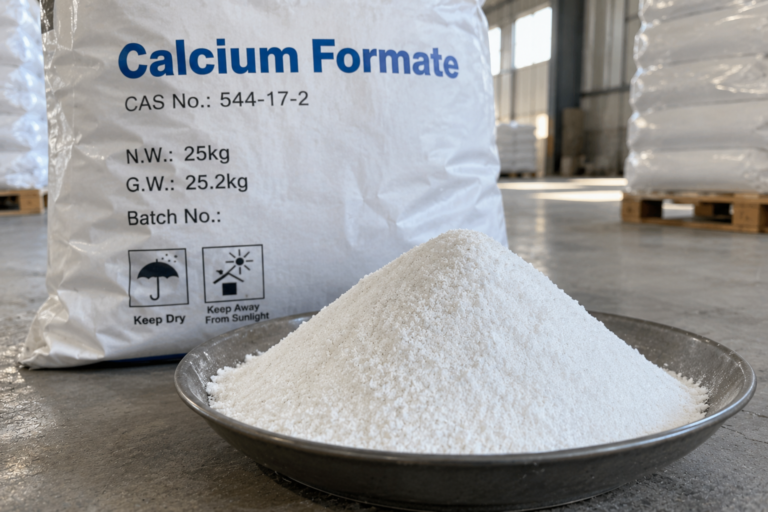
Key performance and technical information are available on the Product page.
View Product Details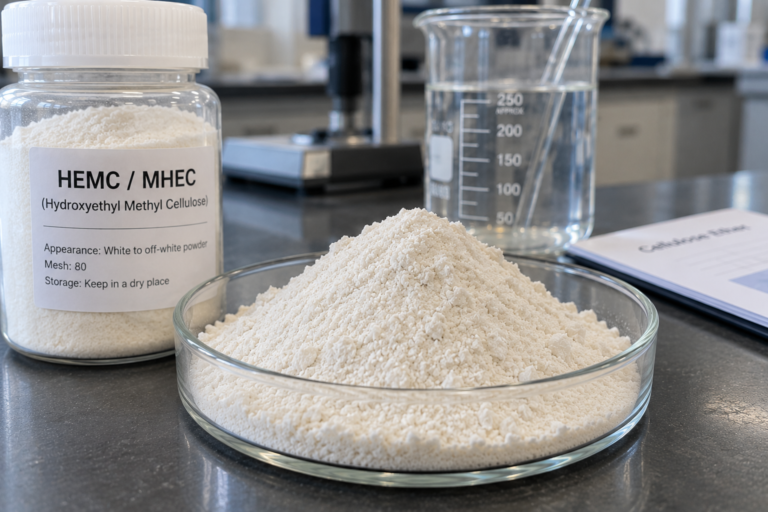
Key performance and technical information are available on the Product page.
View Product Details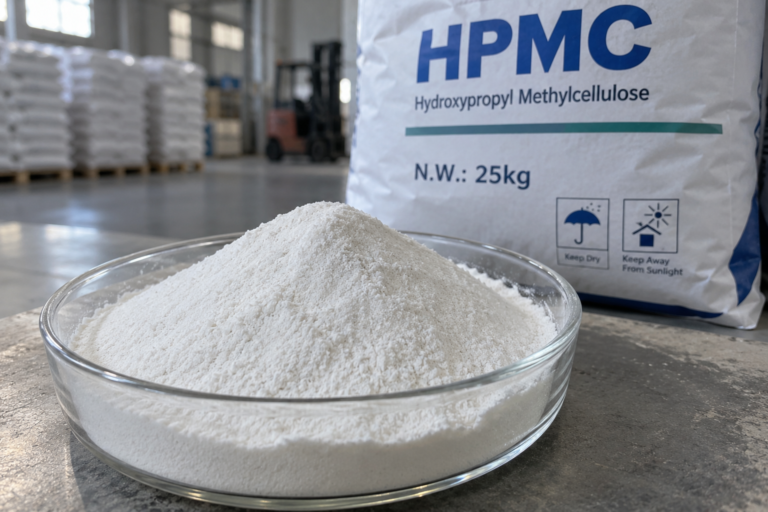
Key performance and technical information are available on the Product page.
View Product Details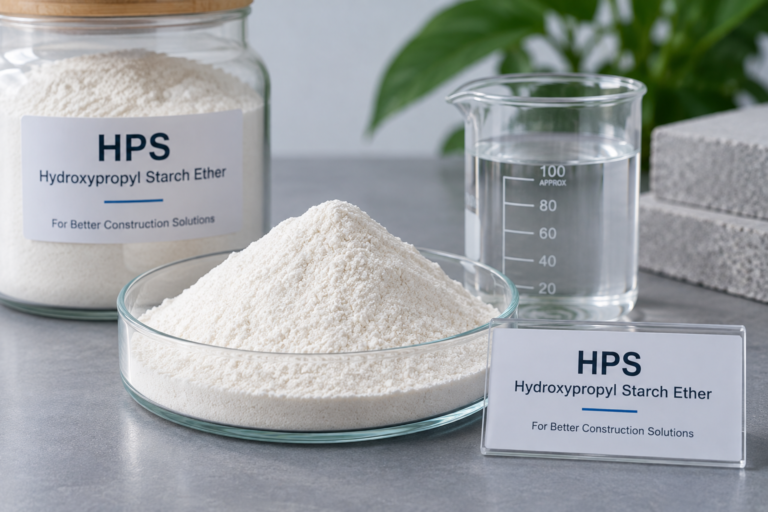
Key performance and technical information are available on the Product page.
View Product Details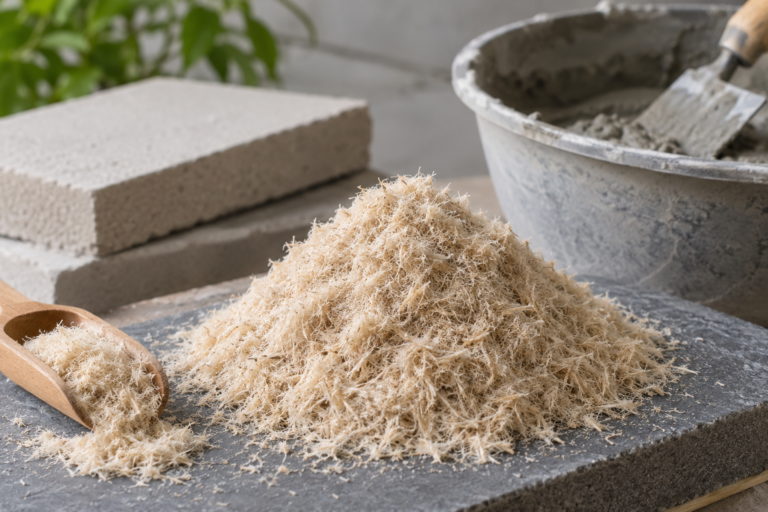
Key performance and technical information are available on the Product page.
View Product Details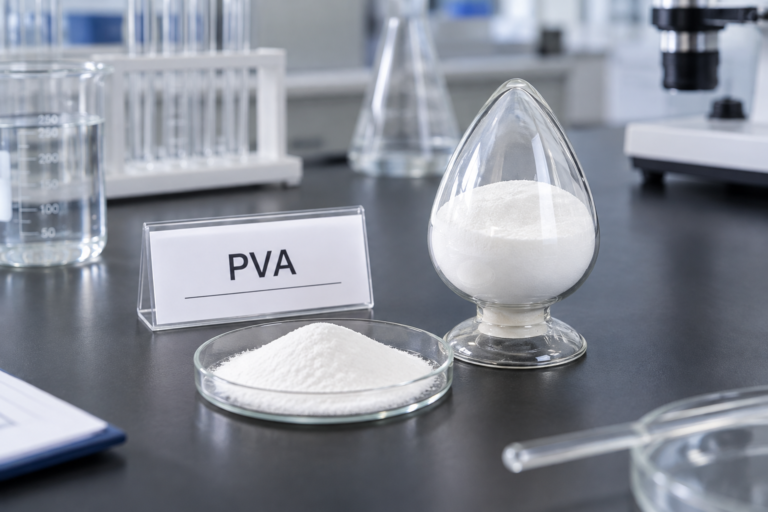
Key performance and technical information are available on the Product page.
View Product Details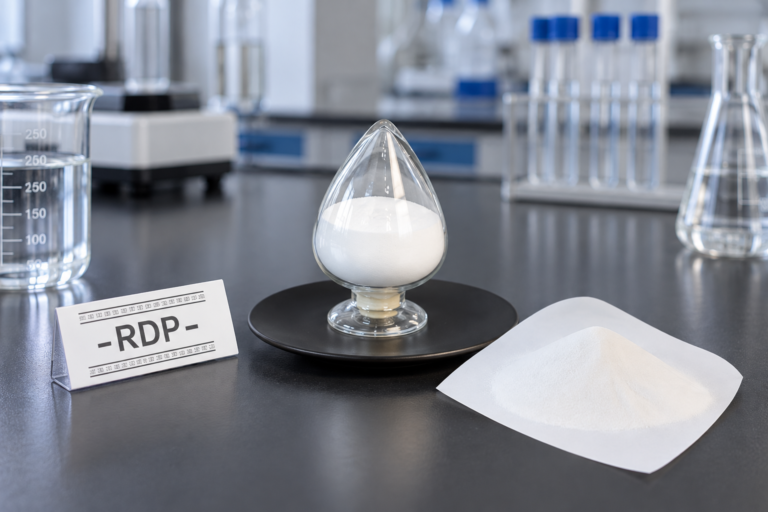
Key performance and technical information are available on the Product page.
View Product DetailsUse the recommended Product pages as your starting point for key performance and technical information, then evaluate the best fit for your formulation and application goals.
Review Recommended Products