
+
Water Retention
Proper water retention prevents bricks and blocks from absorbing water too quickly, supporting complete cement hydration and reliable bond development.
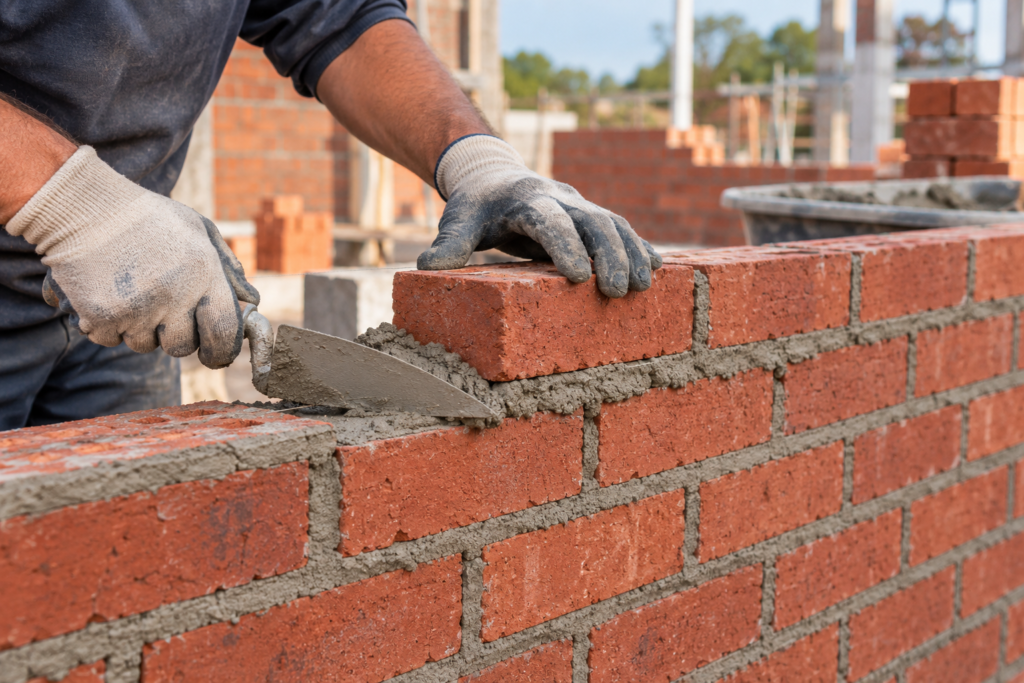
Explore the functional requirements that guide material selection, product matching, and application testing.
Proper water retention prevents bricks and blocks from absorbing water too quickly, supporting complete cement hydration and reliable bond development.
Good workability makes the mortar easier to mix, spread and shape, improving masonry efficiency and reducing worker fatigue.
Sufficient open time allows workers to place, align and adjust bricks or blocks before the mortar loses adhesion.
Strong adhesion ensures reliable bonding between the mortar and masonry units, improving joint integrity and wall stability.
Good sag resistance helps the fresh mortar maintain its shape under the weight of masonry units and prevents excessive squeezing from joints.
Stable consistency provides uniform application performance, water demand and joint quality across different production batches.
Adequate compressive strength enables mortar joints to support structural loads without crushing or premature deterioration.
Improved crack resistance reduces drying-shrinkage cracks and helps maintain the integrity of masonry joints.
Long-term durability helps masonry joints resist moisture, temperature changes and environmental exposure throughout the service life of the wall.
Open each topic to understand common issues and the considerations behind a more stable application result.
The mortar loses water rapidly to absorbent bricks or blocks, causing incomplete cement hydration, reduced bonding and premature drying.
The mixed mortar feels heavy, sticky or difficult to spread, making brick or block laying slower and more labor-intensive.
The mortar dries or stiffens too quickly after application, leaving insufficient time to position and adjust masonry units.
The mortar does not bond firmly to bricks or blocks, resulting in weak joints, hollow areas or separation after curing.
Fresh mortar deforms or is squeezed out under the weight of masonry units, causing uneven joints and alignment problems.
Cracks develop in mortar joints during drying or curing, reducing structural integrity and allowing moisture penetration.
The cured mortar fails to achieve the required strength, resulting in weak masonry joints and reduced load-bearing performance.
Mortar falls from the trowel or masonry surface during application, increasing material consumption and construction waste.
White salt deposits appear on the surface of mortar joints or masonry units after curing, affecting appearance and indicating moisture movement.
Visit each Product page to review the available product-specific key performance information, technical details, and suitability for your requirements.
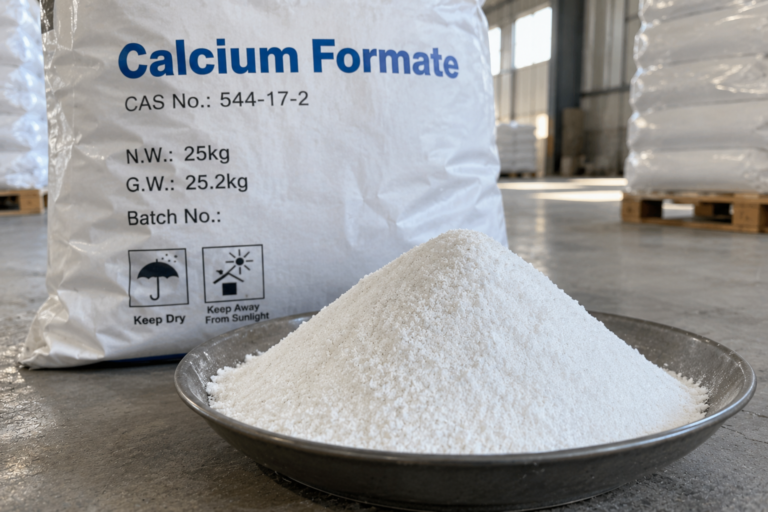
Key performance and technical information are available on the Product page.
View Product Details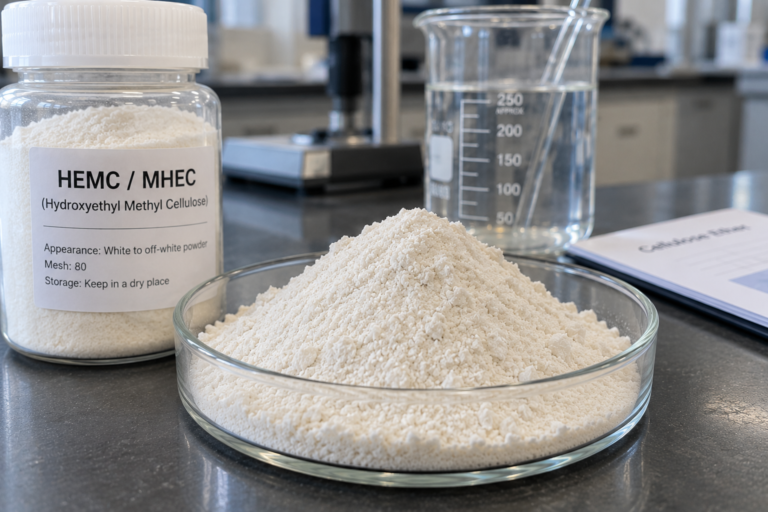
Key performance and technical information are available on the Product page.
View Product Details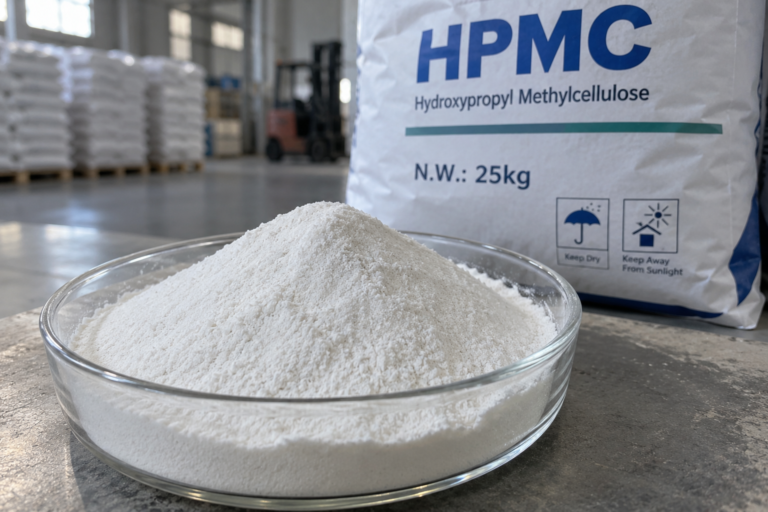
Key performance and technical information are available on the Product page.
View Product Details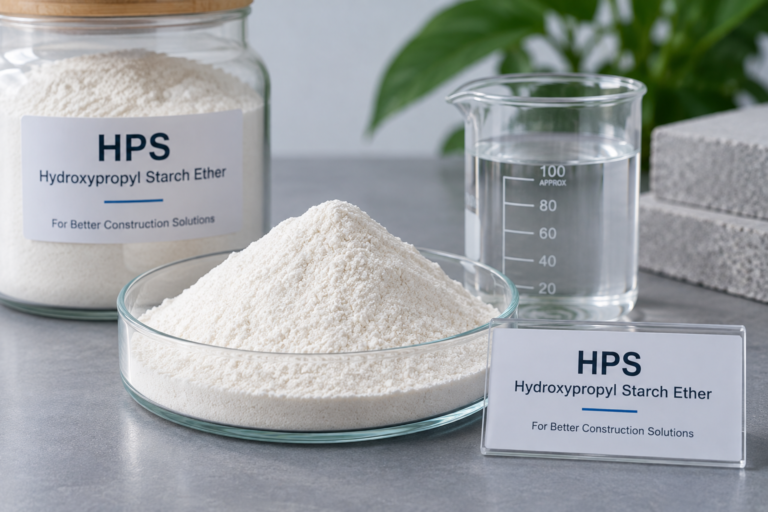
Key performance and technical information are available on the Product page.
View Product Details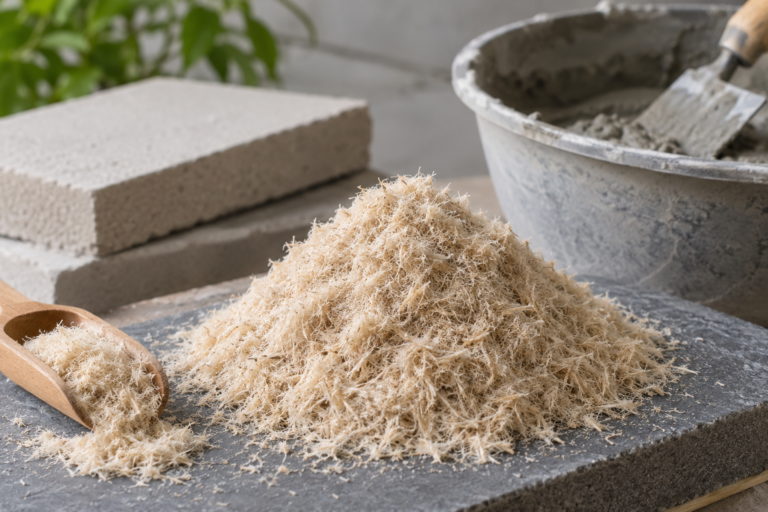
Key performance and technical information are available on the Product page.
View Product Details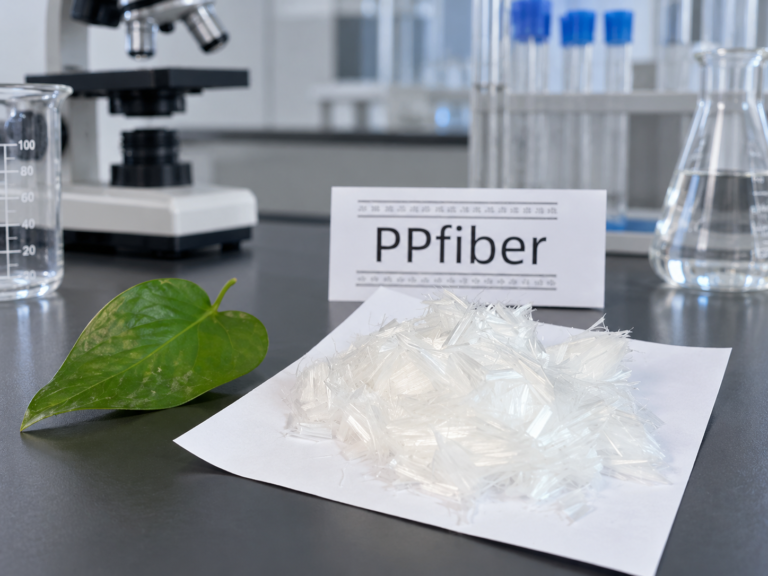
Key performance and technical information are available on the Product page.
View Product Details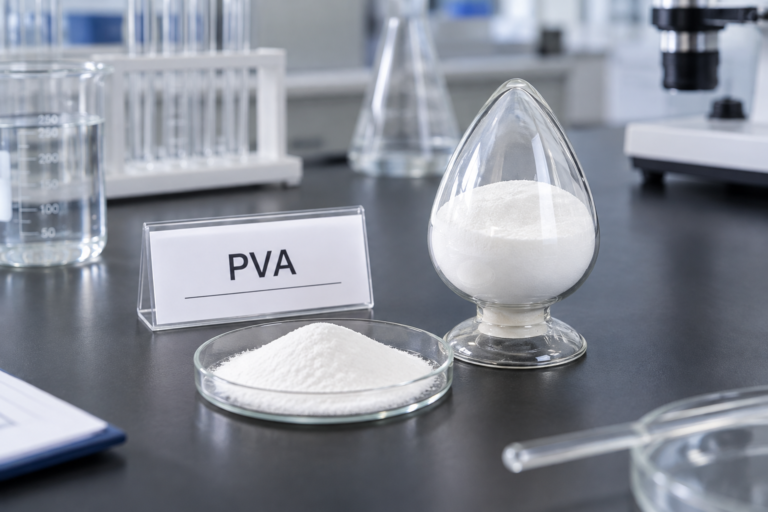
Key performance and technical information are available on the Product page.
View Product Details
Key performance and technical information are available on the Product page.
View Product DetailsUse the recommended Product pages as your starting point for key performance and technical information, then evaluate the best fit for your formulation and application goals.
Review Recommended Products