
+
Adhesion Strength
Provides strong and durable bonding between the substrate, adhesive mortar, insulation board, reinforced base coat, and finishing layer, reducing the risk of hollow areas and delamination.
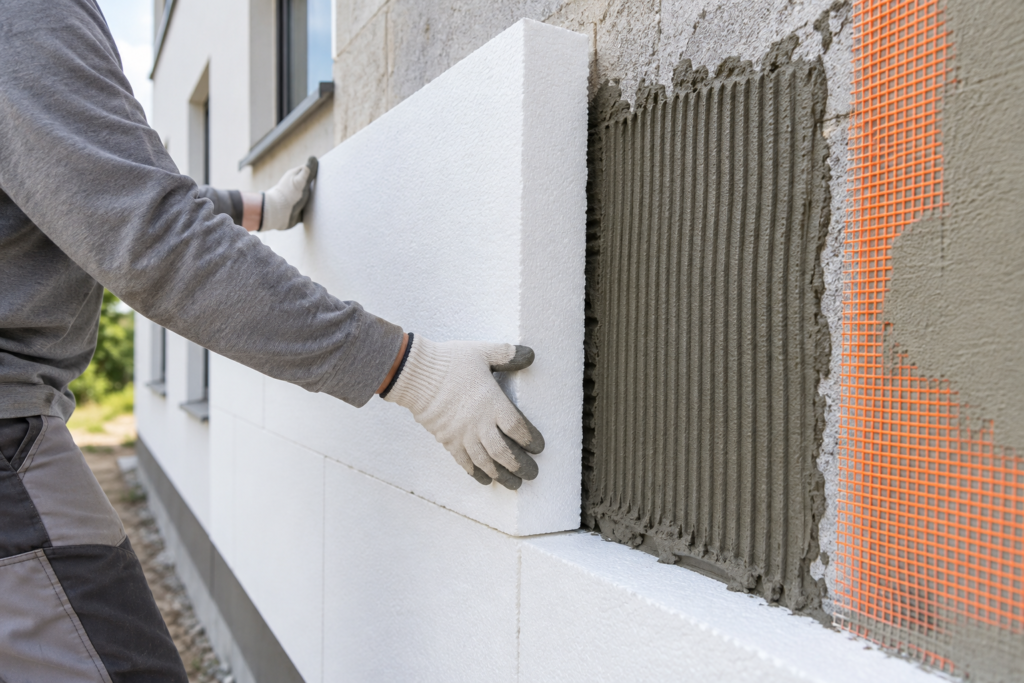
Explore the functional requirements that guide material selection, product matching, and application testing.
Provides strong and durable bonding between the substrate, adhesive mortar, insulation board, reinforced base coat, and finishing layer, reducing the risk of hollow areas and delamination.
Prevents rapid water loss from the mortar, supports proper cement hydration, and maintains reliable adhesion under hot, dry, windy, or highly absorbent conditions.
Provides a smooth and creamy mortar consistency, making the material easier to mix, spread, comb, level, and apply with less effort.
Keeps the adhesive mortar workable for sufficient time, allowing installers to position, adjust, and align insulation boards before the mortar forms a surface skin.
Prevents insulation boards and freshly applied mortar from moving downward on vertical surfaces, helping maintain correct alignment and uniform application thickness.
Allows the adhesive and reinforced base coat to accommodate thermal expansion, contraction, and minor substrate movement without cracking or losing adhesion.
Reduces shrinkage and stress-related cracking in the reinforced base coat, improving the durability and appearance of the completed facade.
Reduces water absorption and protects the insulation system against rainwater penetration, moisture-related damage, and gradual loss of adhesion.
Open each topic to understand common issues and the considerations behind a more stable application result.
The adhesive mortar does not bond firmly to EPS, XPS, or mineral wool insulation boards, causing hollow areas, loose panels, edge lifting, or complete board detachment.
The insulation system does not bond securely to concrete, masonry, or rendered substrates, resulting in localized debonding, hollow spots, and reduced long-term system stability.
Insulation boards move downward or shift after installation, causing uneven joints, misalignment, and difficulty in maintaining a flat facade surface.
The adhesive or base-coat mortar loses water too quickly under hot, dry, windy, or highly absorbent conditions, resulting in poor cement hydration, difficult application, and reduced adhesion.
The applied adhesive mortar forms a surface skin too quickly, leaving insufficient time to position and adjust the insulation boards and reducing effective bonding contact.
The mortar feels dry, sticky, heavy, or difficult to spread, making trowel application, ridge formation, board positioning, and mesh embedding inefficient.
Fine cracks or visible shrinkage cracks develop in the reinforced base coat during drying or after exposure to temperature changes, affecting appearance and weather protection.
The reinforcing mesh is difficult to embed evenly into the base coat, leaving exposed mesh, wrinkles, insufficient coverage, or weak overlapping areas.
The adhesive or base coat cannot accommodate thermal expansion, contraction, or minor substrate movement, resulting in cracking, debonding, or failure around panel joints.
Separation occurs between the substrate, adhesive mortar, insulation board, reinforced base coat, or finishing layer, reducing the structural integrity and service life of the system.
Panel joints or fastener positions become visible through the finished facade, creating uneven lines, surface irregularities, and an unacceptable final appearance.
The completed facade is easily damaged by accidental impact, resulting in dents, cracks, punctures, or localized failure of the reinforced base coat.
Rainwater enters through cracks, joints, or weak areas of the facade, causing moisture accumulation, staining, coating damage, and gradual loss of adhesion.
Repeated exposure to rain, temperature changes, or freeze-thaw cycles causes cracking, blistering, surface deterioration, or progressive layer separation.
Visit each Product page to review the available product-specific key performance information, technical details, and suitability for your requirements.
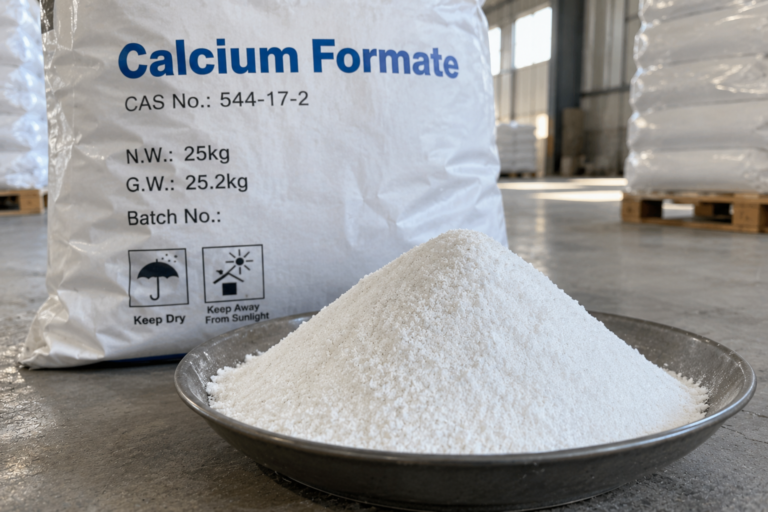
Key performance and technical information are available on the Product page.
View Product Details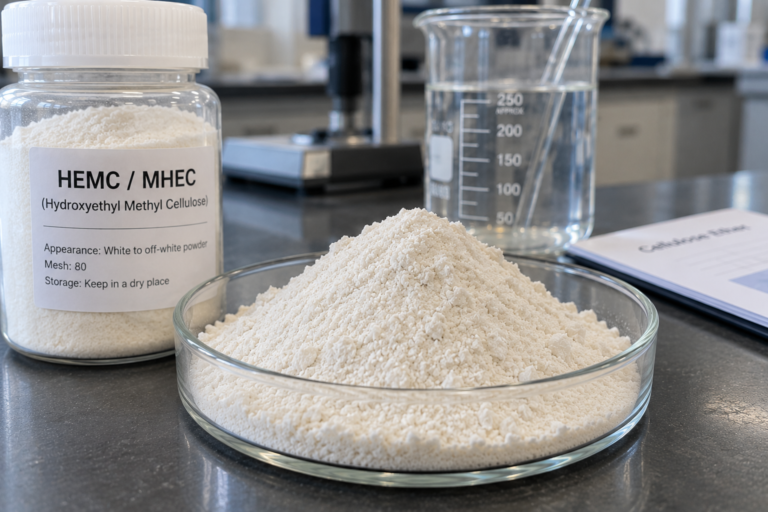
Key performance and technical information are available on the Product page.
View Product Details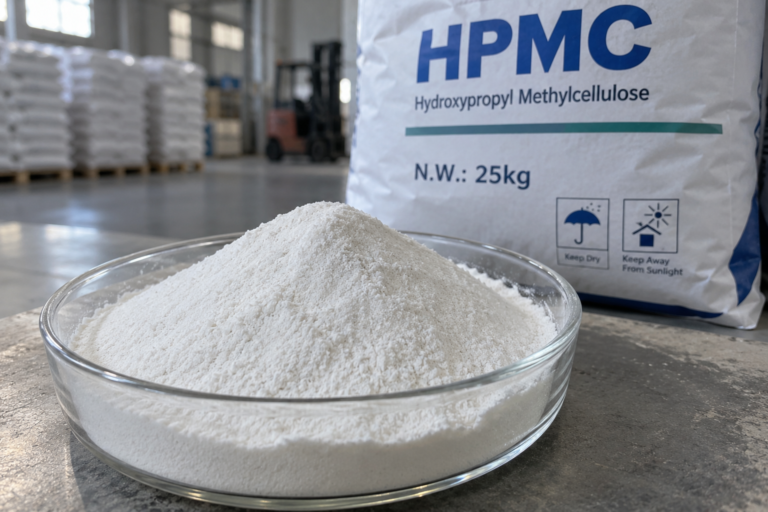
Key performance and technical information are available on the Product page.
View Product Details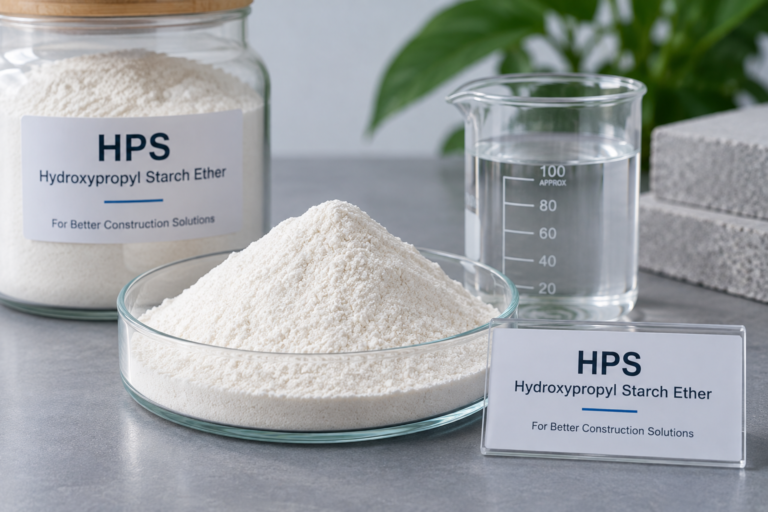
Key performance and technical information are available on the Product page.
View Product Details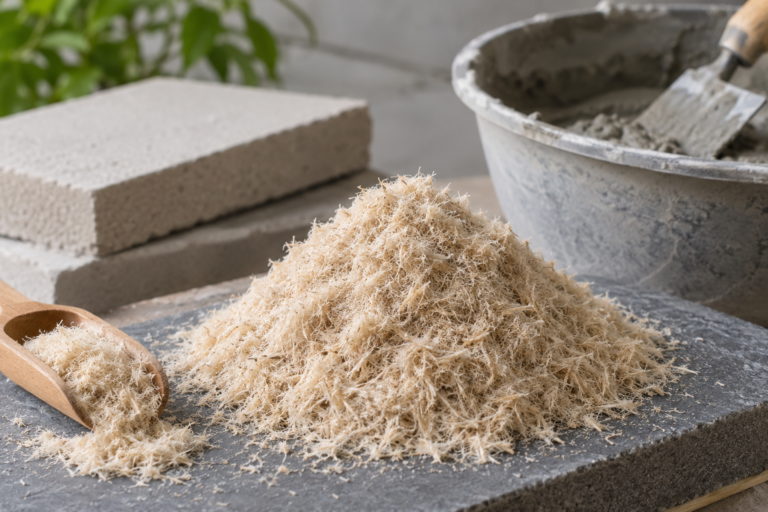
Key performance and technical information are available on the Product page.
View Product Details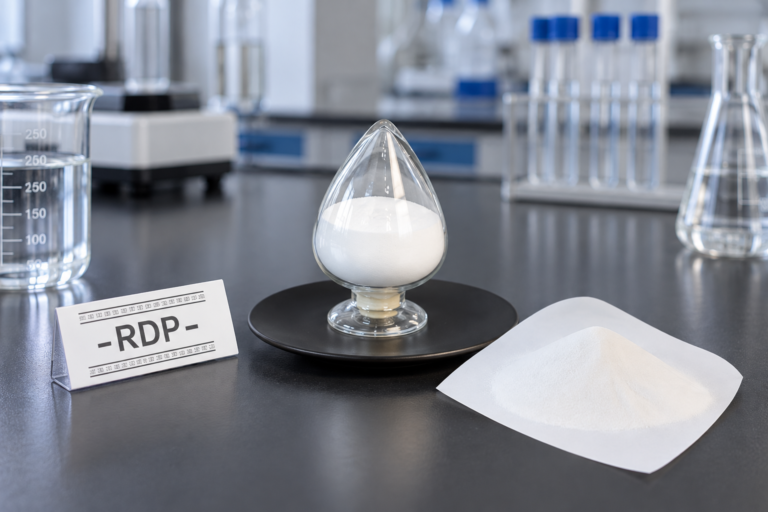
Key performance and technical information are available on the Product page.
View Product DetailsUse the recommended Product pages as your starting point for key performance and technical information, then evaluate the best fit for your formulation and application goals.
Review Recommended Products