Adhesion
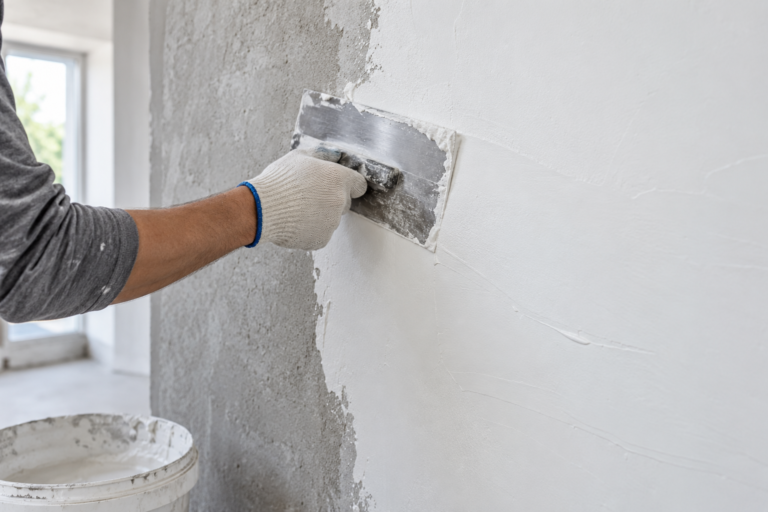
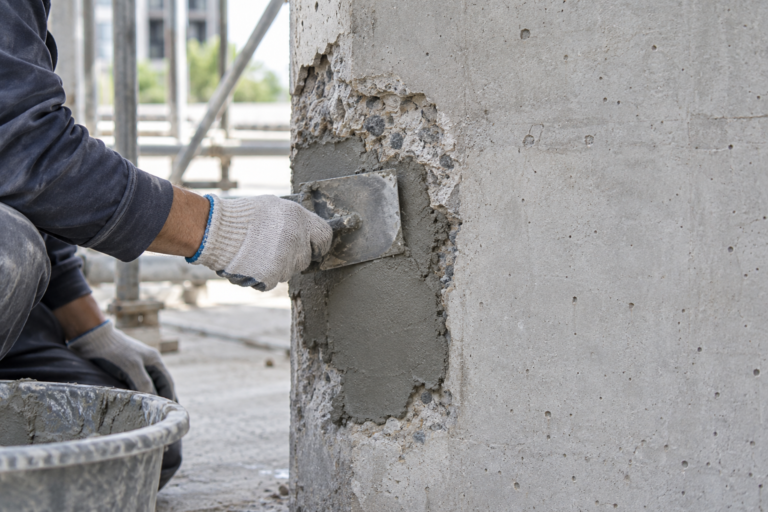
Improves bonding between mortar and different substrates, helping provide stronger and more reliable adhesion in construction applications.
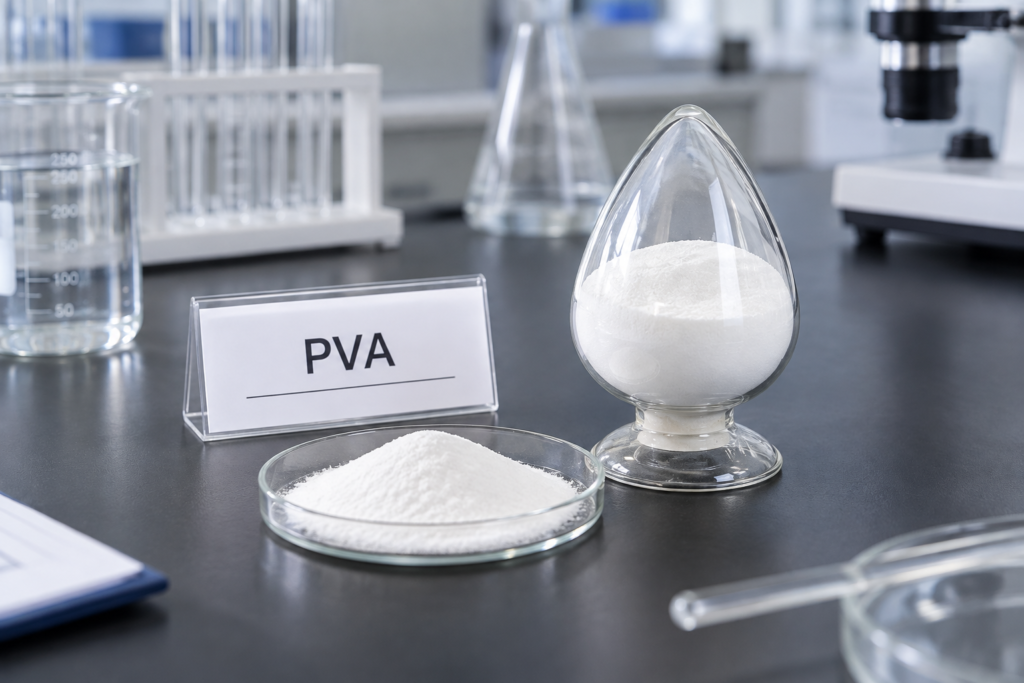
Polyvinyl Alcohol (PVA) is a water-soluble polymer used as a functional additive in dry-mix mortars and other construction materials. It is primarily used in tile adhesives, wall putty, repair mortars, gypsum-based materials, and other cementitious formulations to improve bonding, cohesion, film-forming properties, and overall mechanical performance. PVA provides an effective solution for manufacturers seeking stronger adhesion, improved mortar integrity, and more stable application performance, and can be used together with cellulose ethers and other polymer additives to optimize formulation performance.
Product Advantages
Improves bonding between mortar and different substrates, helping provide stronger and more reliable adhesion in construction applications.
Enhances the internal cohesion of mortar, helping improve material integrity and reduce separation or loss of strength within the mortar layer.
Forms a continuous polymer film after drying, contributing to improved bonding and overall mechanical performance of the hardened material.
Helps improve the flexibility of modified mortar and its ability to accommodate minor movement and stress.
Helps improve resistance to shrinkage and stress-related microcracking, supporting better durability of the finished material.
Helps enhance the mechanical performance of cement- and gypsum-based materials, contributing to stronger and more durable formulations.
Product Data
| Parameter | Value | Unit | Note |
|---|---|---|---|
| Viscosity | 20–60 | mPa·s | 4% aqueous solution, 20°C |
| Degree of Hydrolysis | 86–99 | mol% | Depending on product grade |
| Purity | ≥94.0 | % | Dry basis |
| Volatile Matter | ≤5.0 | % | Typical specification |
| Ash Content | ≤0.5 | % | Residue after ignition |
| pH Value | 5.0–7.0 | — | 4% aqueous solution |
| Particle Size | 80–160 | mesh | Depending on product grade |
Use Cases
Resources