
+
Workability
Ensures that concrete can be mixed, transported, placed, compacted, and finished efficiently without excessive water addition or loss of uniformity.

Explore the functional requirements that guide material selection, product matching, and application testing.
Ensures that concrete can be mixed, transported, placed, compacted, and finished efficiently without excessive water addition or loss of uniformity.
Keeps cement paste, aggregates, water, and fibers uniformly distributed, reducing segregation and improving consistency during transportation, pumping, and placement.
Reduces the upward movement of water after placement, helping prevent laitance, weak surface layers, and poor bonding around aggregates and reinforcement.
Maintains suitable concrete fluidity during transportation and placement, especially under high-temperature conditions or extended delivery times.
Provides stable and continuous flow through pumping equipment while reducing pipeline pressure, blockage, segregation, and interruption during placement.
Limits plastic shrinkage and drying shrinkage cracks by controlling moisture loss and distributing internal stress throughout the concrete.
Promotes uniform distribution of reinforcing fibers throughout the concrete, preventing fiber clumping and ensuring consistent crack-control performance.
Accelerates early strength development to support faster formwork removal, shorter construction cycles, and improved performance under low-temperature conditions.
Improves resistance to moisture penetration, abrasion, freeze–thaw cycles, temperature changes, and long-term environmental exposure.
Provides predictable setting behavior under different temperatures and construction conditions, allowing sufficient time for placement, compaction, and finishing.
Open each topic to understand common issues and the considerations behind a more stable application result.
Coarse aggregates separate from the cement paste during mixing, transportation, pumping, or placement, resulting in uneven composition, reduced strength, and inconsistent concrete quality.
Water rises to the concrete surface after placement, causing laitance, weak surface layers, poor bonding with reinforcement, and reduced durability.
Concrete loses fluidity too quickly during transportation or placement, making pumping, spreading, compacting, and finishing more difficult.
The concrete mixture is difficult to mix, pump, place, compact, or finish, increasing labor requirements and the risk of incomplete filling.
Concrete does not flow smoothly through pumping equipment, resulting in high pumping pressure, pipeline blockage, interrupted placement, and reduced construction efficiency.
Fine cracks appear on the concrete surface shortly after placement when moisture evaporates faster than it can be replaced by bleeding water, especially under hot, dry, or windy conditions.
Cracks develop as hardened concrete loses moisture and contracts, affecting appearance, water resistance, structural integrity, and long-term durability.
Concrete develops strength too slowly after placement, delaying formwork removal, finishing operations, subsequent construction, and project progress.
Visible cavities, exposed aggregates, or unfilled areas appear after formwork removal because of poor workability, inadequate compaction, or mixture segregation.
Concrete sets too quickly or too slowly under changing temperatures and site conditions, disrupting placement, finishing, formwork removal, and construction scheduling.
Visit each Product page to review the available product-specific key performance information, technical details, and suitability for your requirements.
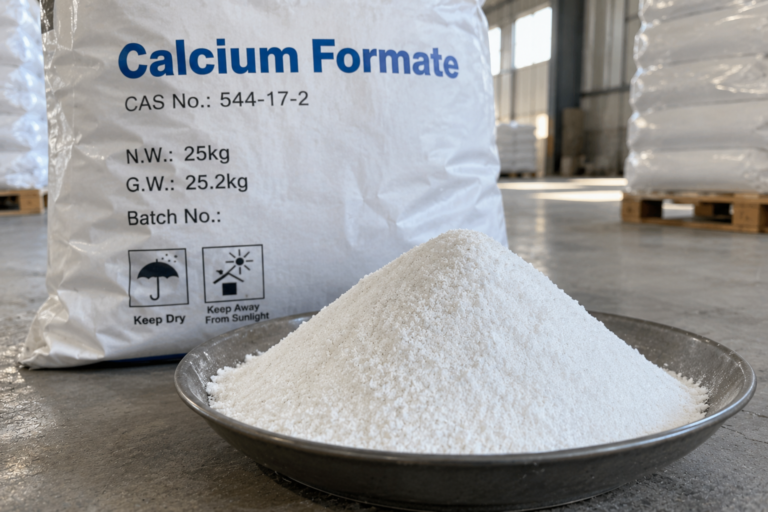
Key performance and technical information are available on the Product page.
View Product Details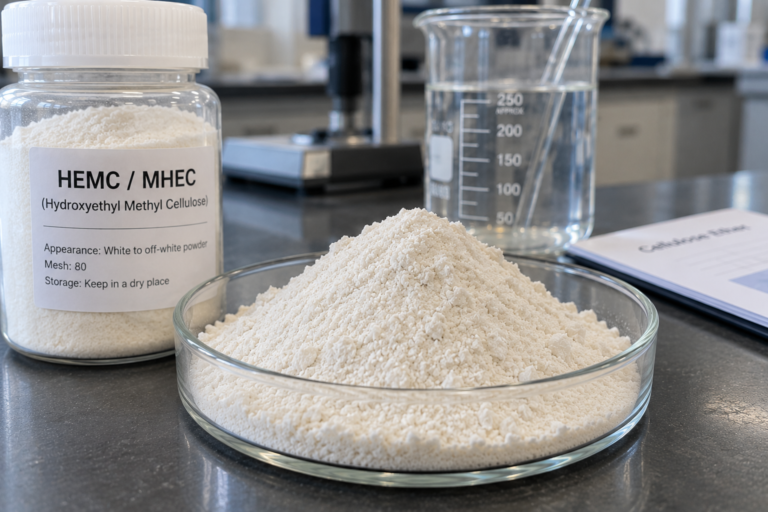
Key performance and technical information are available on the Product page.
View Product Details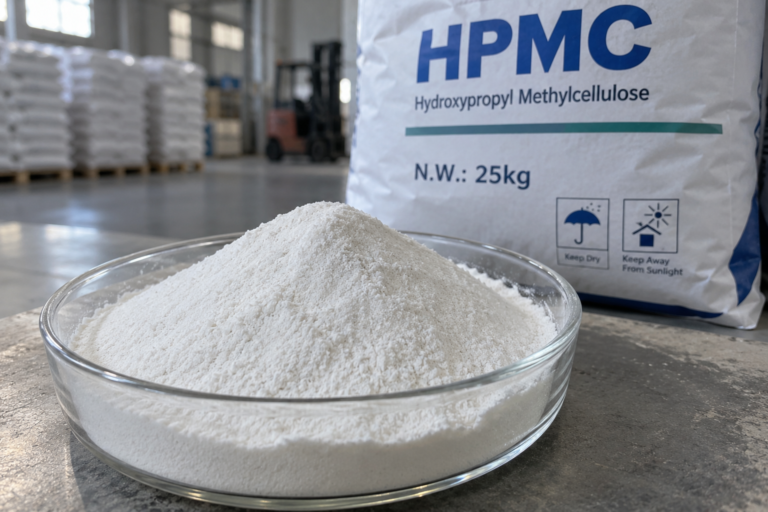
Key performance and technical information are available on the Product page.
View Product Details
Key performance and technical information are available on the Product page.
View Product Details
Key performance and technical information are available on the Product page.
View Product Details
Key performance and technical information are available on the Product page.
View Product DetailsUse the recommended Product pages as your starting point for key performance and technical information, then evaluate the best fit for your formulation and application goals.
Review Recommended Products