
+
Water Retention
Proper water retention prevents rapid moisture loss, supports complete cement hydration and reduces powdering and cracking.
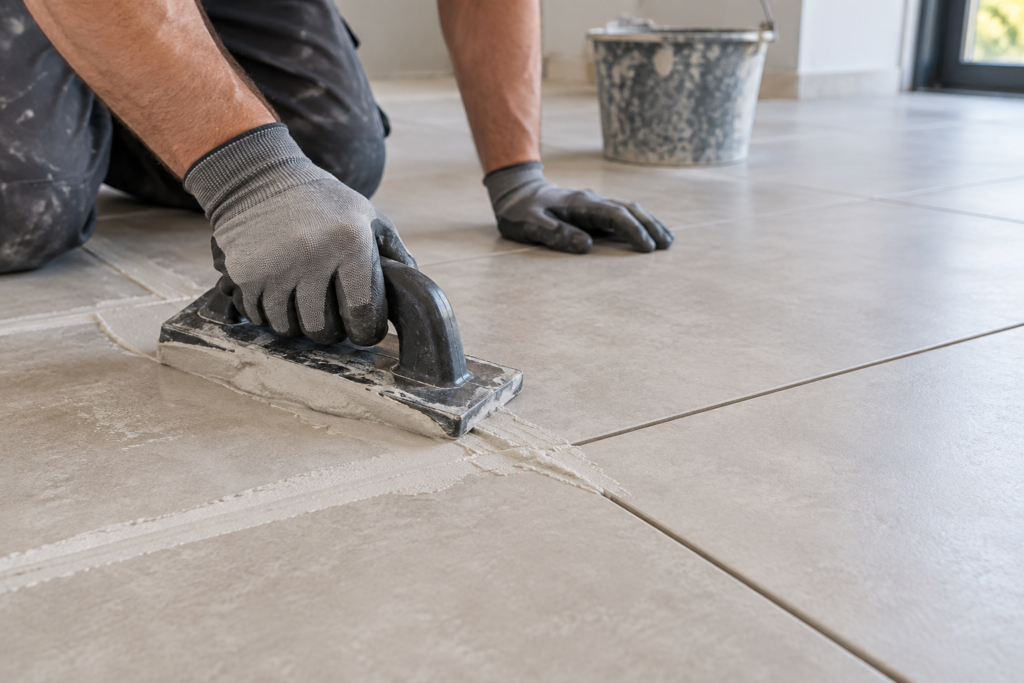
Explore the functional requirements that guide material selection, product matching, and application testing.
Proper water retention prevents rapid moisture loss, supports complete cement hydration and reduces powdering and cracking.
Good workability makes the joint filler easier to spread, press into narrow joints and clean from the tile surface.
Sufficient working time allows installers to fill, shape and clean the joints before the material begins to set.
Strong adhesion ensures reliable bonding to tile edges and prevents separation, peeling or material loss.
Improved crack resistance reduces shrinkage cracks and helps the filled joints withstand minor tile or substrate movement.
Low shrinkage maintains joint volume during drying and reduces gaps, depressions and edge separation.
Good sag resistance keeps the fresh material stable in vertical wall joints without slipping or falling out.
Low water absorption helps protect the joints from moisture, dirt, staining and discoloration during use.
Adequate surface strength and abrasion resistance prevent powdering and wear during cleaning and daily use.
Stable hydration and consistent formulation help produce uniform color across different joints and production batches.
Open each topic to understand common issues and the considerations behind a more stable application result.
Cracks develop in the filled joints during drying or after curing, reducing durability and allowing water and dirt to penetrate.
The joint filler does not bond firmly to the tile edges, causing separation, peeling or material loss during use.
The cured joint filler has a weak or powdery surface and may wear away during cleaning or regular use.
The mixed joint filler thickens or sets too quickly, leaving insufficient time for filling, shaping and surface cleaning.
The material feels sticky, dry or difficult to spread and cannot be pressed evenly into narrow tile joints.
Uneven color, shading or visible differences appear between joints or production batches after drying.
Small holes, air pockets or incomplete areas remain inside the joints, creating an uneven surface and reducing water resistance.
The cured joints absorb water, stains and dirt easily, leading to discoloration and reduced long-term performance.
White salt deposits appear on the joint surface after curing, affecting appearance and color uniformity.
Visit each Product page to review the available product-specific key performance information, technical details, and suitability for your requirements.
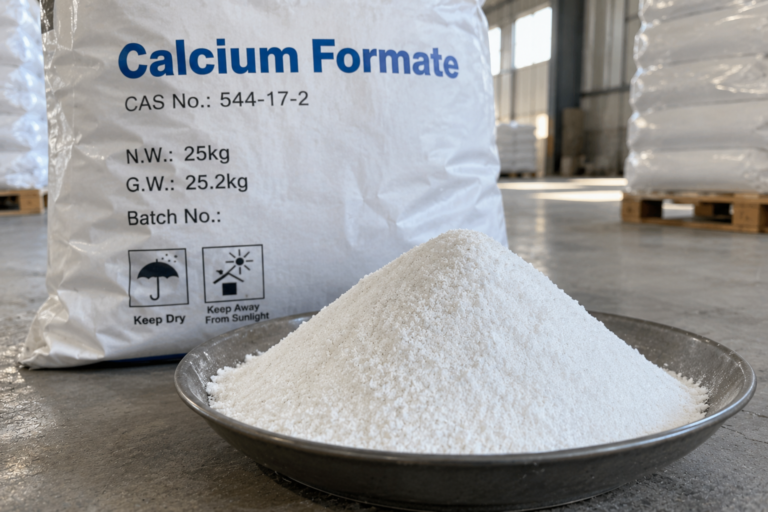
Key performance and technical information are available on the Product page.
View Product Details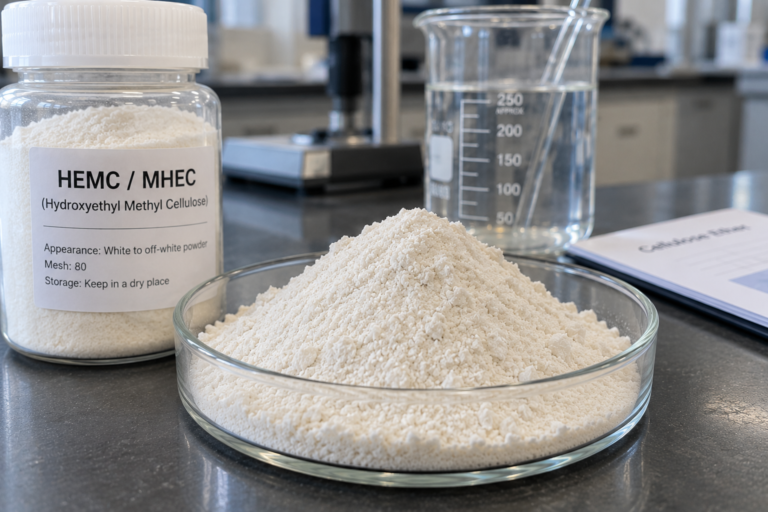
Key performance and technical information are available on the Product page.
View Product Details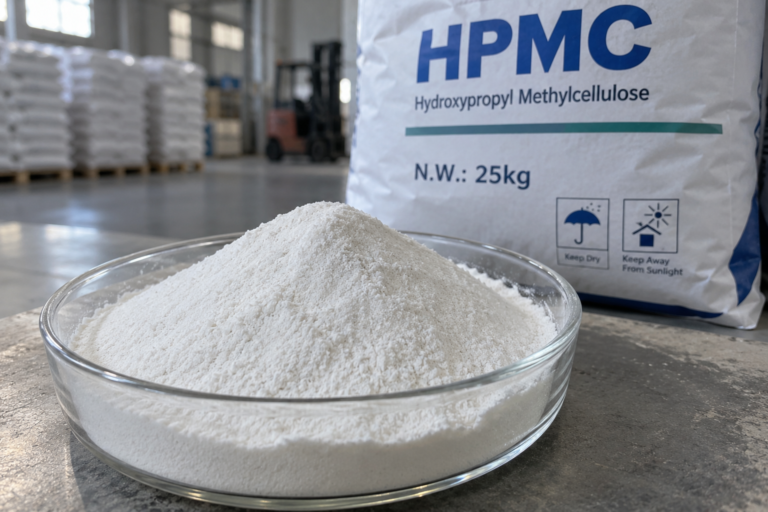
Key performance and technical information are available on the Product page.
View Product Details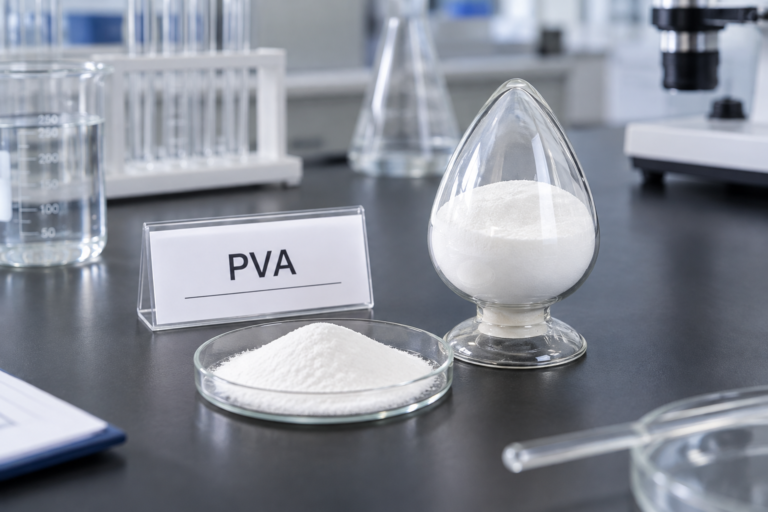
Key performance and technical information are available on the Product page.
View Product Details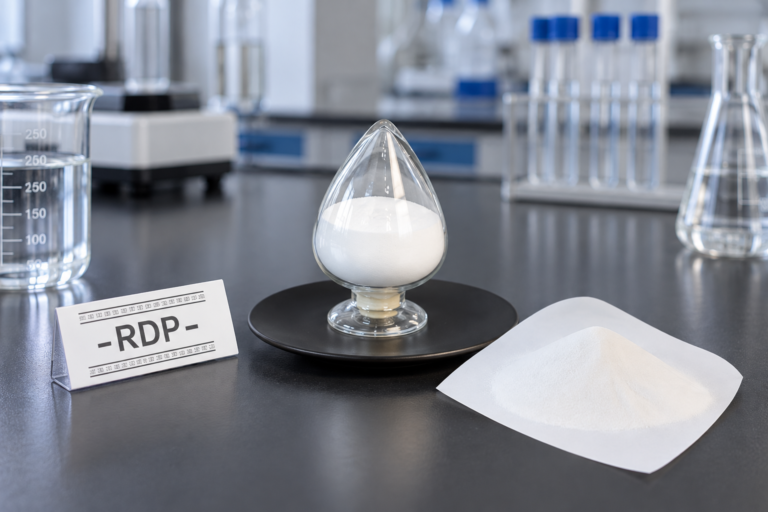
Key performance and technical information are available on the Product page.
View Product Details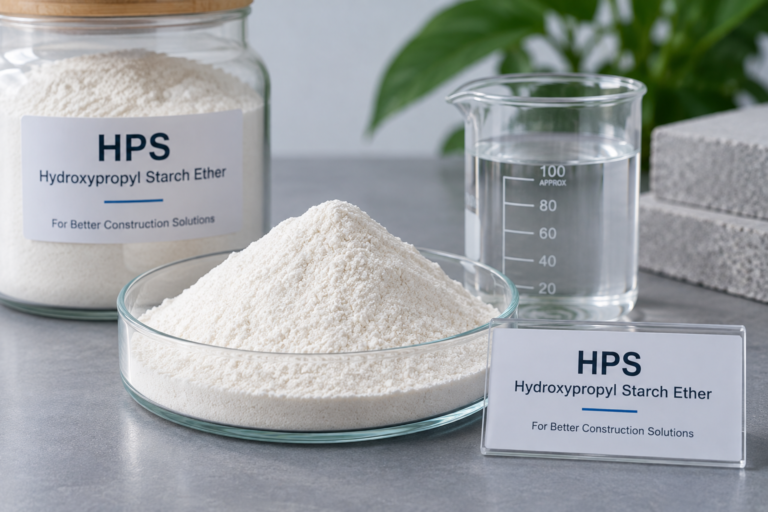
Key performance and technical information are available on the Product page.
View Product DetailsUse the recommended Product pages as your starting point for key performance and technical information, then evaluate the best fit for your formulation and application goals.
Review Recommended Products