
+
Water Retention
Controls moisture loss during application and drying, helping maintain workability, improve bonding, and reduce premature drying and cracking.
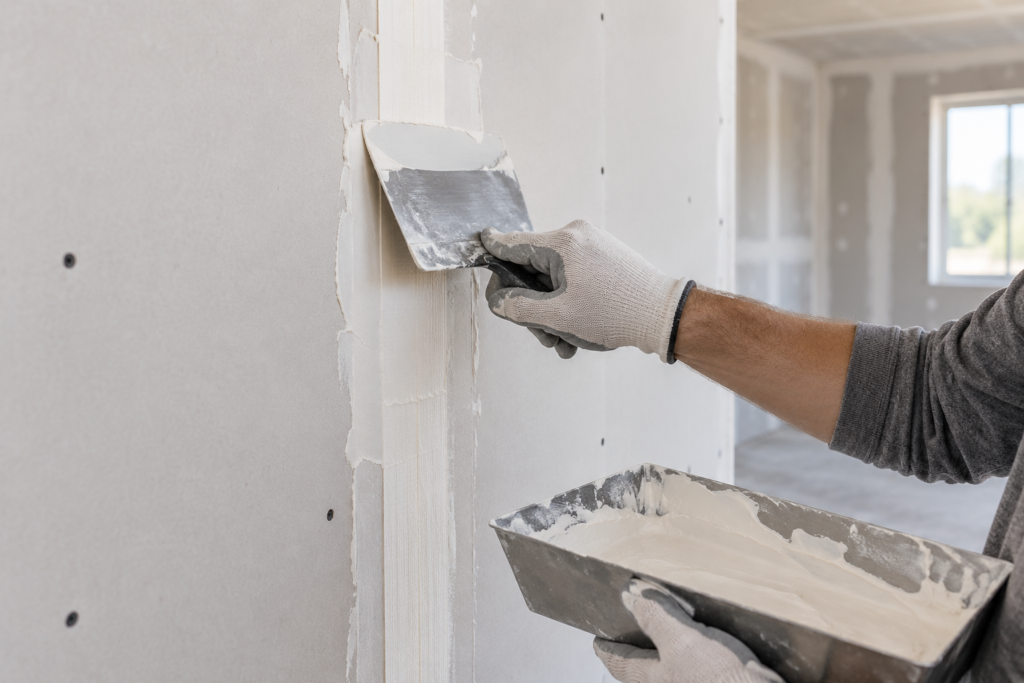
Explore the functional requirements that guide material selection, product matching, and application testing.
Controls moisture loss during application and drying, helping maintain workability, improve bonding, and reduce premature drying and cracking.
Provides a smooth and creamy consistency, allowing the compound to be mixed, spread, shaped, and finished easily with a drywall knife.
Ensures reliable bonding to gypsum board surfaces, paper joint tape, fiberglass mesh tape, and previously applied compound layers.
Minimizes volume loss during drying or setting, reducing recessed joints, edge cracking, and the need for repeated filling.
Helps the finished joint withstand drying stress and minor board movement, reducing cracks along seams, corners, and fastener positions.
Maintains suitable consistency for sufficient time, allowing installers to embed tape, fill joints, adjust the surface, and complete finishing operations.
Keeps the wet compound stable on vertical walls and overhead ceiling joints, preventing downward movement and maintaining the required thickness.
Produces a firm and cohesive dried surface that resists powdering, damage, and loss of adhesion during sanding and painting.
Open each topic to understand common issues and the considerations behind a more stable application result.
Fine or visible cracks develop along drywall joints after drying, reducing the durability and appearance of the finished wall or ceiling.
The joint compound shrinks noticeably during drying, creating recessed joints, edge cracking, or the need for additional coats and repairs.
The compound does not bond firmly to gypsum board, paper tape, fiberglass mesh tape, or previous coats, resulting in peeling, flaking, or localized detachment.
Air pockets or bubbles form beneath the joint tape because of insufficient compound coverage, poor wetting, or trapped air, creating visible raised areas after drying.
The compound feels too thick, sticky, dry, or difficult to spread, requiring excessive pressure and making it difficult to achieve a smooth, uniform layer.
The mixed compound thickens or begins to set too quickly, leaving insufficient time for tape embedding, joint filling, adjustment, and surface finishing.
The applied compound remains wet for an excessive period, delaying recoating, sanding, painting, and overall construction progress.
The wet compound moves, slumps, or falls after application, causing uneven thickness and making wall and ceiling joints difficult to finish.
Small holes or bubbles appear in the applied surface during drying or sanding, requiring additional filling and reducing the quality of the final finish.
The edges of the applied compound remain thick, uneven, or clearly visible, making it difficult to blend the repaired joint smoothly into the surrounding gypsum board.
The dried compound becomes excessively hard or develops an uneven surface, requiring additional time and effort to achieve a smooth finish.
The dried compound generates excessive fine dust during sanding, creating an untidy working environment and increasing cleanup requirements.
Visit each Product page to review the available product-specific key performance information, technical details, and suitability for your requirements.
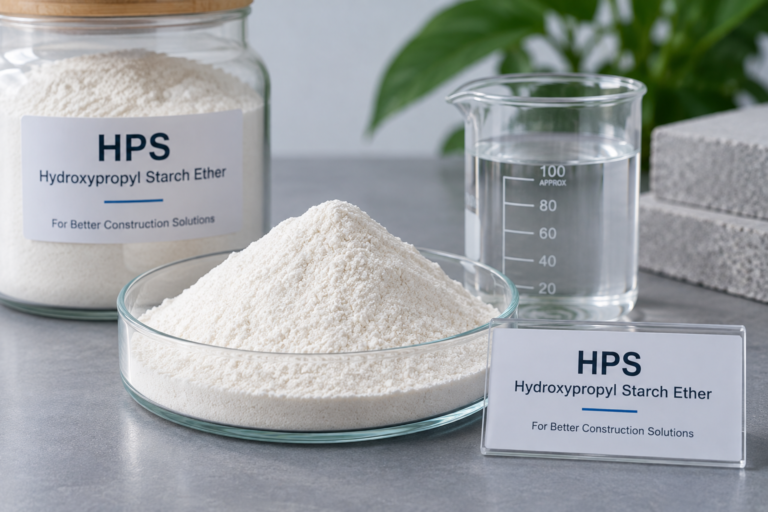
Key performance and technical information are available on the Product page.
View Product Details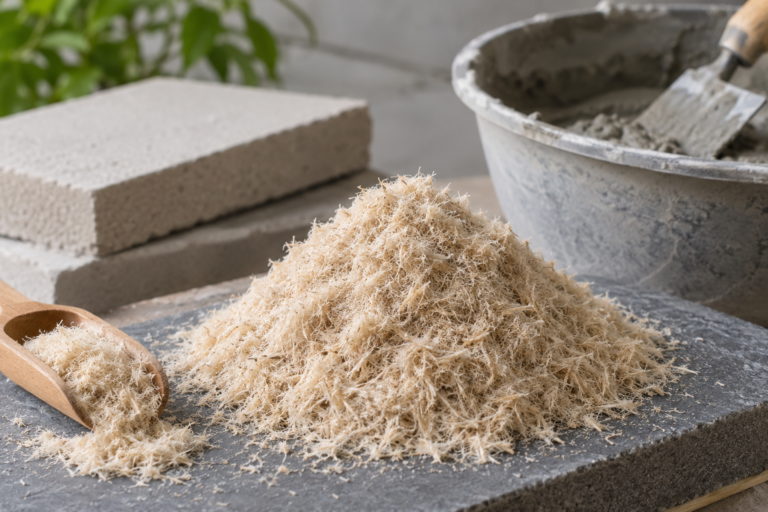
Key performance and technical information are available on the Product page.
View Product Details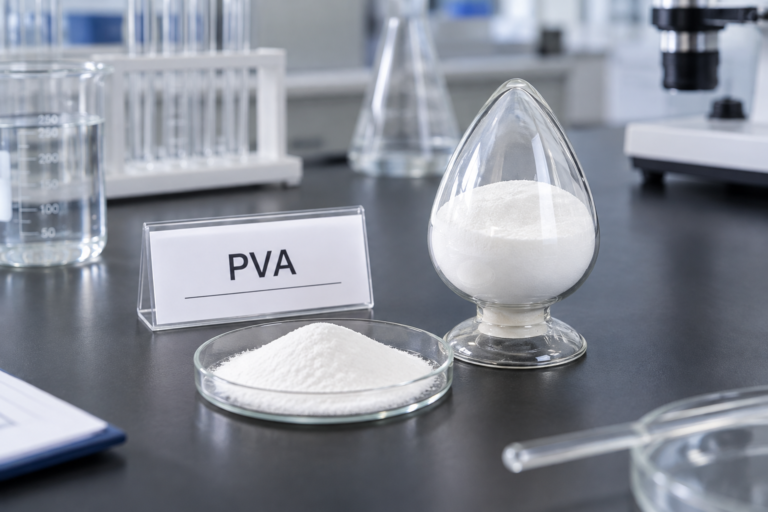
Key performance and technical information are available on the Product page.
View Product Details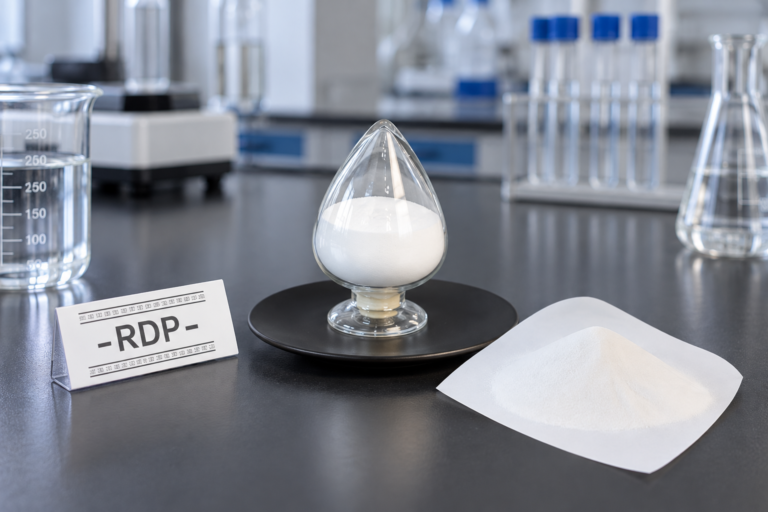
Key performance and technical information are available on the Product page.
View Product Details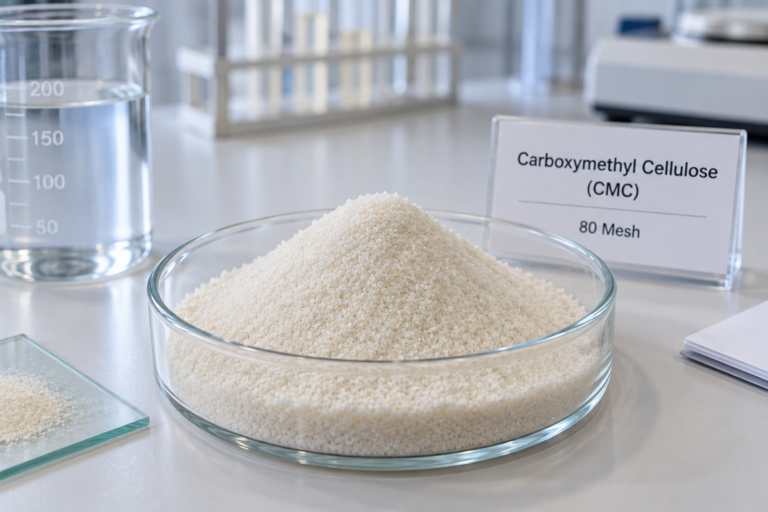
Key performance and technical information are available on the Product page.
View Product Details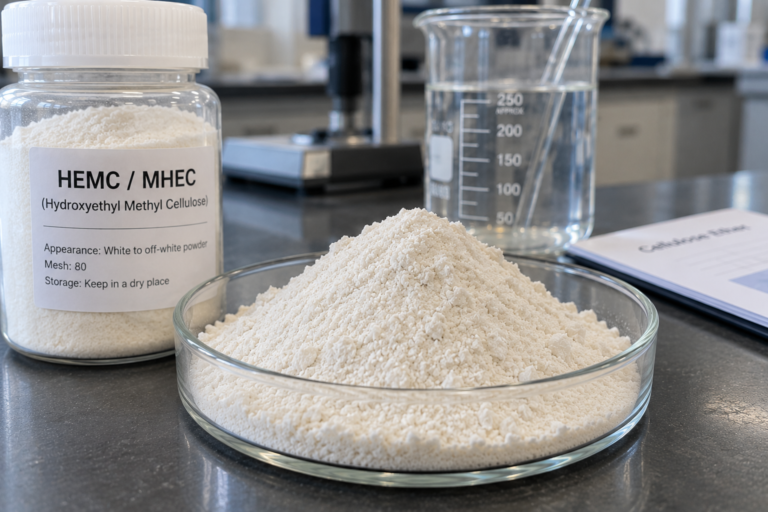
Key performance and technical information are available on the Product page.
View Product Details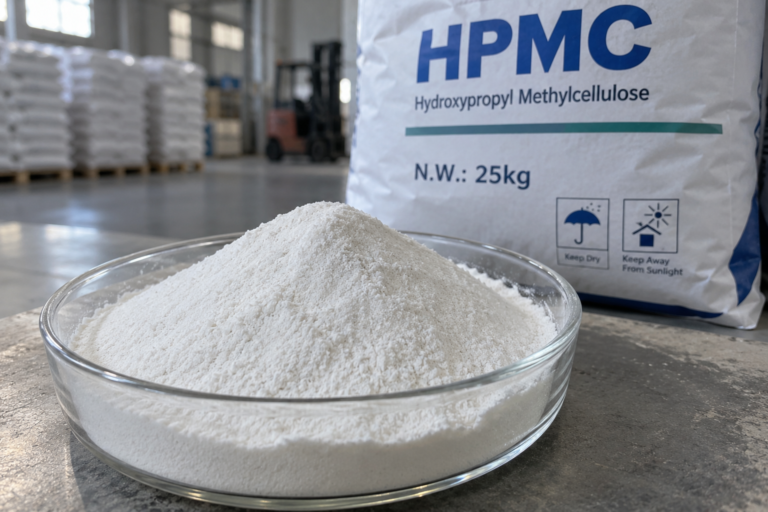
Key performance and technical information are available on the Product page.
View Product Details
Key performance and technical information are available on the Product page.
View Product DetailsUse the recommended Product pages as your starting point for key performance and technical information, then evaluate the best fit for your formulation and application goals.
Review Recommended Products