Water Retention
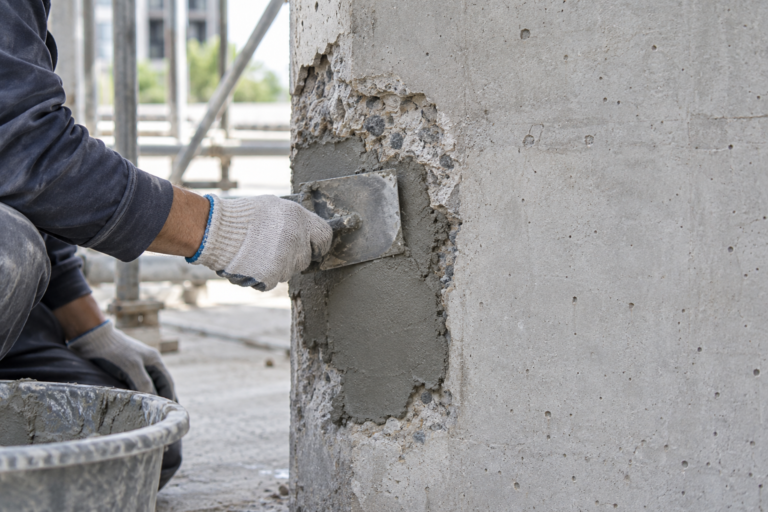
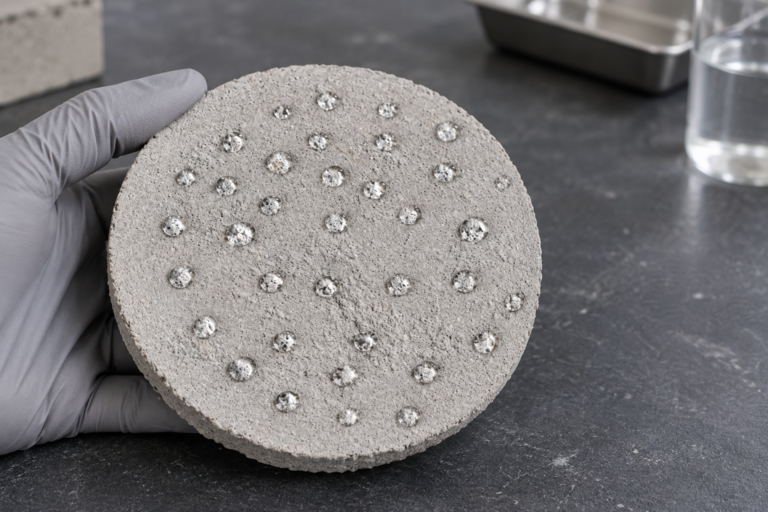
Helps retain water in cement- and gypsum-based formulations, supporting hydration and maintaining sufficient moisture during application.
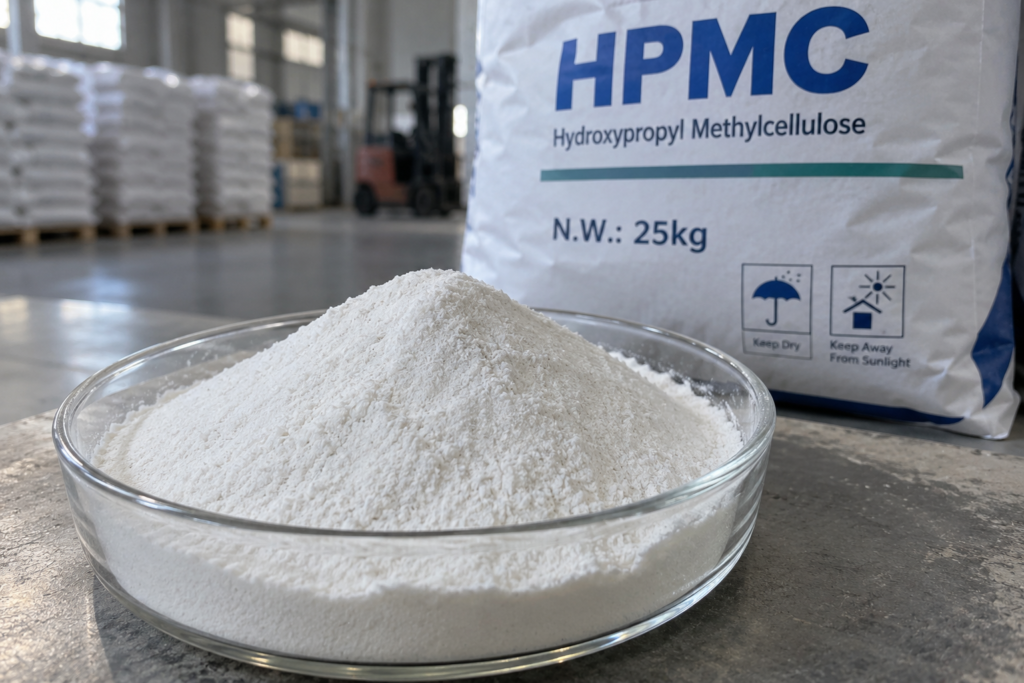
Construction HPMC is a cellulose ether additive designed for cement-based and gypsum-based construction materials. It is primarily used by manufacturers of dry-mix mortar, tile adhesive, wall putty, plaster, self-leveling compounds, and other construction formulations to improve water retention, workability, open time, sag resistance, and rheological control. Its core value is to help manufacturers achieve more stable formulation performance, consistent processing, and reliable application quality.
Product Advantages
Helps retain water in cement- and gypsum-based formulations, supporting hydration and maintaining sufficient moisture during application.
Improves mixing, spreading, smoothing, and application feel, helping achieve a more consistent and efficient construction process.
Helps maintain the workable surface of the mortar for longer, providing sufficient time for application, adjustment, and finishing.
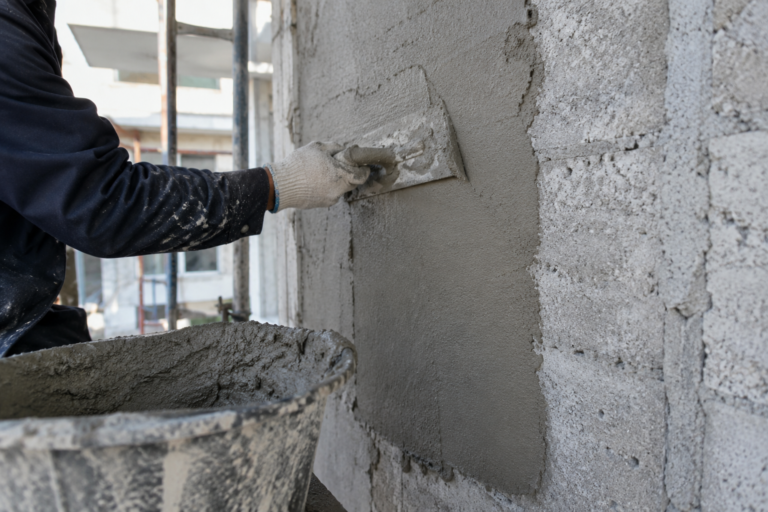
Helps improve the structural stability of fresh mortar and reduce sagging on vertical surfaces.
Provides controlled viscosity and flow behavior, helping balance spreadability, consistency, and application performance.
Supports consistent contact and bonding between the mortar and substrate by improving water retention and rheological properties.
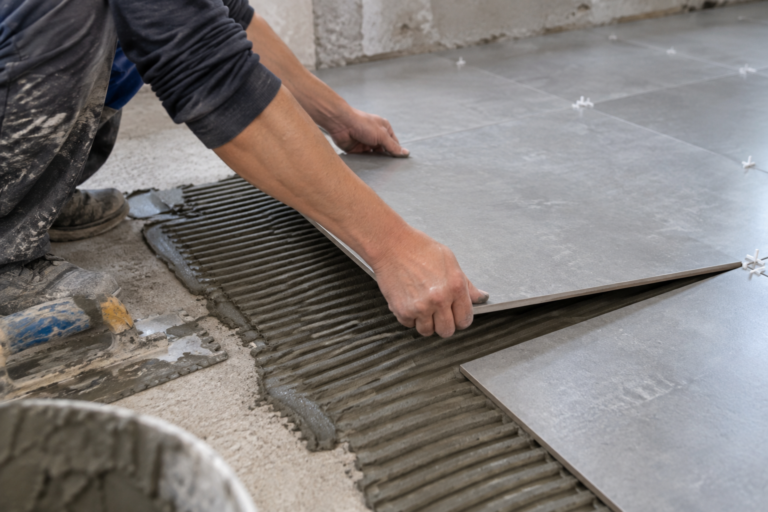
Helps reduce tile or mortar movement after application by providing appropriate viscosity and structural control.
Supports stable processing and application performance across production batches through consistent additive quality.
Product Data
| Parameter | Value | Unit | Note |
|---|---|---|---|
| Viscosity | 400–200,000 | mPa·s | NDJ, 2% aqueous solution, 20°C |
| Methoxy Content | 19.0–24.0 | % | Dry basis |
| Hydroxypropoxy Content | 4.0–12.0 | % | Dry basis |
| Ash Content | ≤5.0 | % | Residue after ignition |
| Moisture Content | ≤5.0 | % | Loss on drying |
| pH Value | 5.0–8.0 | — | 1% aqueous solution |
| Gel Temperature | 65–85 | °C | Aqueous solution |
| Particle Size | ≥98 | % | Passing 80 mesh |
Use Cases
Resources