
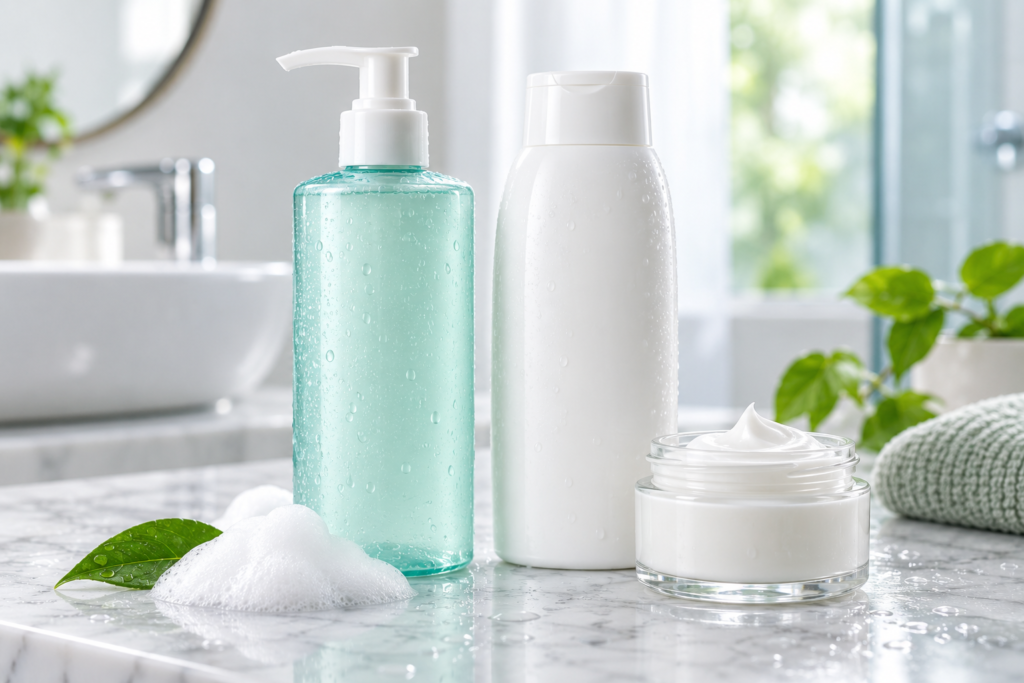
Viscosity and Rheology Control
Provides the required viscosity and flow behavior, ensuring shampoo and personal care formulations are easy to dispense, spread, and apply while maintaining a smooth and consistent texture.
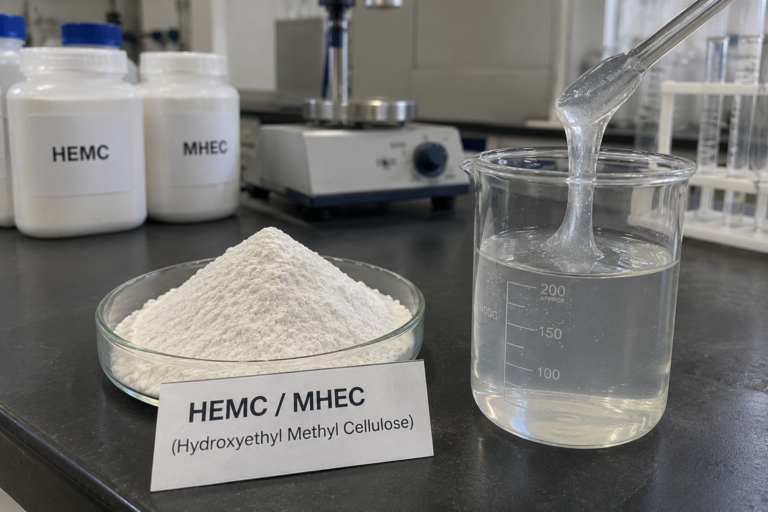
Explore the functional requirements that guide material selection, product matching, and application testing.
Provides the required viscosity and flow behavior, ensuring shampoo and personal care formulations are easy to dispense, spread, and apply while maintaining a smooth and consistent texture.
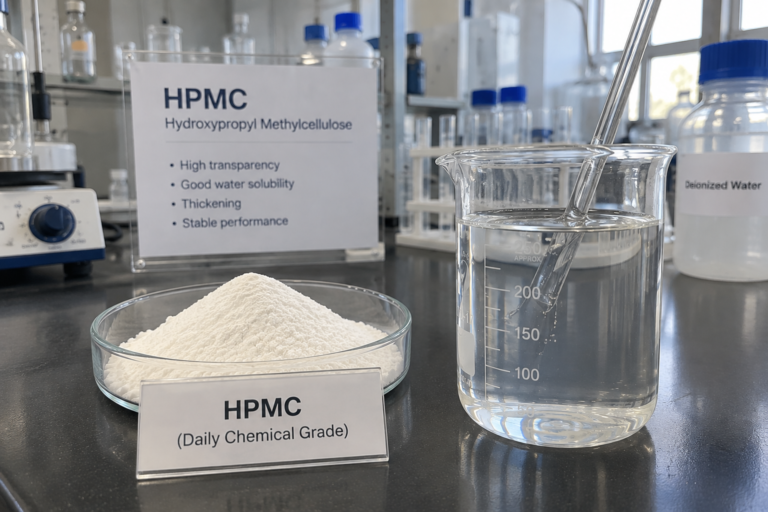
Helps maintain a uniform formulation during storage by reducing phase separation, sedimentation, and changes in viscosity under different temperature conditions.
Keeps insoluble ingredients, active particles, pigments, and conditioning agents evenly suspended throughout the formulation for consistent product performance.
Improves product consistency and spreadability, providing a smooth, soft, and pleasant sensory experience during application and rinsing.
Supports stable and uniform foam, helping shampoo and cleansing products maintain a rich lather and a satisfying washing experience.
Helps retain moisture on the skin and hair, reducing dryness and improving softness, smoothness, and overall conditioning performance.
Maintains stable performance in formulations containing surfactants, fragrances, salts, conditioning agents, and other commonly used personal care ingredients.
Supports a uniform and visually appealing product appearance while minimizing cloudiness, lumps, and uneven texture in transparent or translucent formulations.
Open each topic to understand common issues and the considerations behind a more stable application result.
The finished shampoo or personal care product is too thin and flows too quickly, resulting in poor dispensing control, reduced application convenience, and an unsatisfactory product texture.
The formulation shows noticeable viscosity changes during production or storage, especially after variations in temperature, pH, salt concentration, or surfactant content, leading to inconsistent product quality.
Different components of the formulation separate during storage, forming visible layers and causing uneven appearance, inconsistent composition, and reduced product stability.
Insoluble particles, active ingredients, pigments, or conditioning agents settle or float during storage, resulting in uneven distribution and inconsistent performance during use.
The finished product feels sticky, stringy, grainy, or uneven and does not spread smoothly on the hair or skin, negatively affecting the consumer’s sensory experience.
The formulation produces insufficient foam or the foam collapses too quickly during use, reducing the perceived cleansing performance and overall user experience.
The thickener forms lumps or fish-eyes when added to water, making dispersion and dissolution difficult and causing uneven viscosity, longer mixing time, and production inefficiency.
The finished formulation becomes cloudy, contains visible particles, or develops an uneven appearance, making transparent or translucent personal care products less visually appealing.
The thickener performs inconsistently when combined with surfactants, salts, fragrances, preservatives, or conditioning agents, causing viscosity loss, precipitation, or formulation instability.
The product leaves the hair or skin feeling dry, rough, or insufficiently conditioned after use, reducing softness, smoothness, and overall consumer satisfaction.
Visit each Product page to review the available product-specific key performance information, technical details, and suitability for your requirements.
Key performance and technical information are available on the Product page.
View Product Details
Key performance and technical information are available on the Product page.
View Product DetailsUse the recommended Product pages as your starting point for key performance and technical information, then evaluate the best fit for your formulation and application goals.
Review Recommended Products