
+
Water Retention
Prevents rapid water loss to the substrate, supports proper cement hydration, and reduces drying, powdering, and cracking during application.
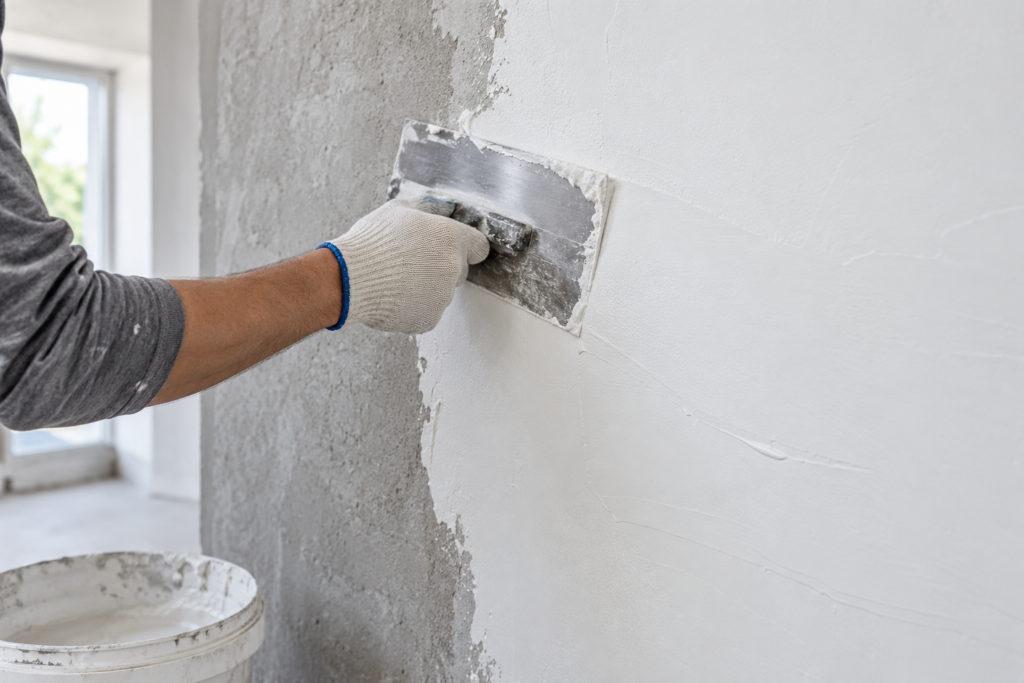
Explore the functional requirements that guide material selection, product matching, and application testing.
Prevents rapid water loss to the substrate, supports proper cement hydration, and reduces drying, powdering, and cracking during application.
Provides a smooth and creamy consistency, making the wall putty easier to mix, spread, level, and finish with less application effort.
Improves bonding between the skim coat and concrete, plaster, masonry, or other wall substrates, reducing the risk of peeling and delamination.
Helps the wet material remain stable on vertical surfaces, preventing downward movement and allowing a uniform application thickness.
Supports easy leveling and reduces trowel marks, pinholes, and surface irregularities, producing a smooth base for painting or decorative coatings.
Reduces shrinkage stress and improves flexibility, helping minimize surface cracks caused by drying, temperature changes, or minor substrate movement.
Keeps the applied material workable for a suitable period, allowing installers enough time to spread, adjust, level, and finish the surface.
Provides a balanced surface hardness that allows efficient sanding without excessive dust, surface damage, or unnecessary labor.
Improves resistance to powdering, abrasion, moisture, and minor impact, helping maintain a strong and durable finished wall surface.
Open each topic to understand common issues and the considerations behind a more stable application result.
The skim coat loses water too quickly after application, especially on highly absorbent substrates or under hot and dry conditions, resulting in difficult finishing, insufficient hydration, and reduced strength.
The mixed material feels dry, heavy, sticky, or difficult to spread, requiring excessive effort to apply and making it difficult to achieve an even layer.
The applied wall putty does not bond firmly to the substrate and may peel, flake, blister, or detach after drying or during subsequent painting.
Fine cracks or visible shrinkage cracks develop during drying or after application, reducing the appearance and durability of the finished surface.
The wet material slides downward after application, causing uneven thickness, waves, and difficulty in achieving a flat vertical surface.
The dried surface releases loose powder when touched or rubbed, resulting in poor surface strength and reduced adhesion of subsequent paint or coatings.
The finished surface contains trowel marks, ridges, grains, or uneven areas, requiring additional sanding and increasing labor and material consumption.
Small holes, bubbles, or surface voids appear during application or drying, affecting smoothness and becoming more visible after painting.
The mixed material thickens, skins over, or becomes difficult to level too quickly, leaving insufficient time for application, adjustment, and surface finishing.
The dried skim coat is either too hard to sand or too soft and powdery, making it difficult to obtain a smooth and uniform surface before painting.
The skim coat separates from the substrate or between applied layers, often becoming visible as hollow areas, peeling, or localized surface failure.
Different production batches show variations in water demand, viscosity, workability, setting behavior, or surface finish, making quality control difficult.
Visit each Product page to review the available product-specific key performance information, technical details, and suitability for your requirements.
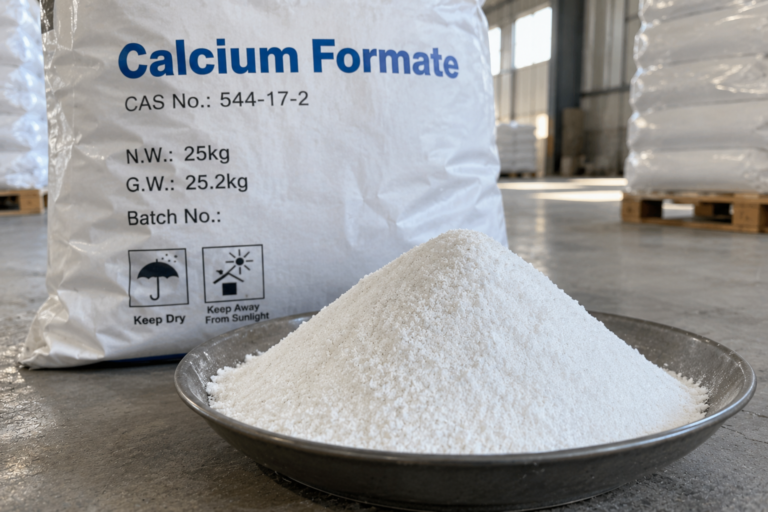
Key performance and technical information are available on the Product page.
View Product Details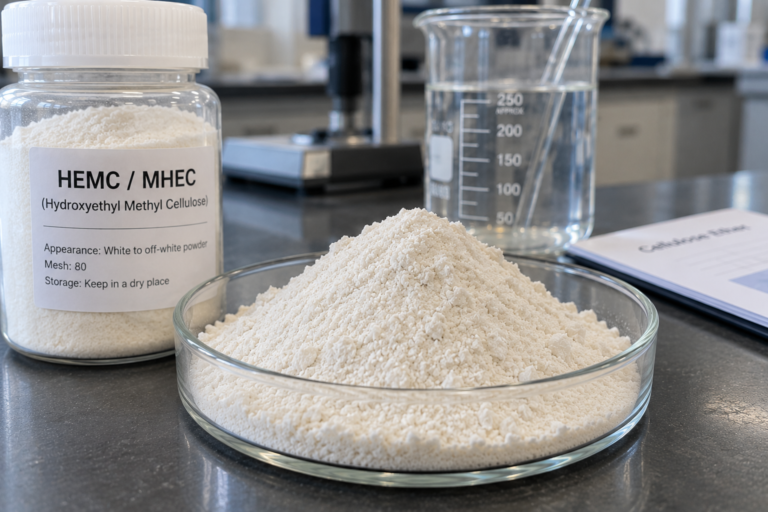
Key performance and technical information are available on the Product page.
View Product Details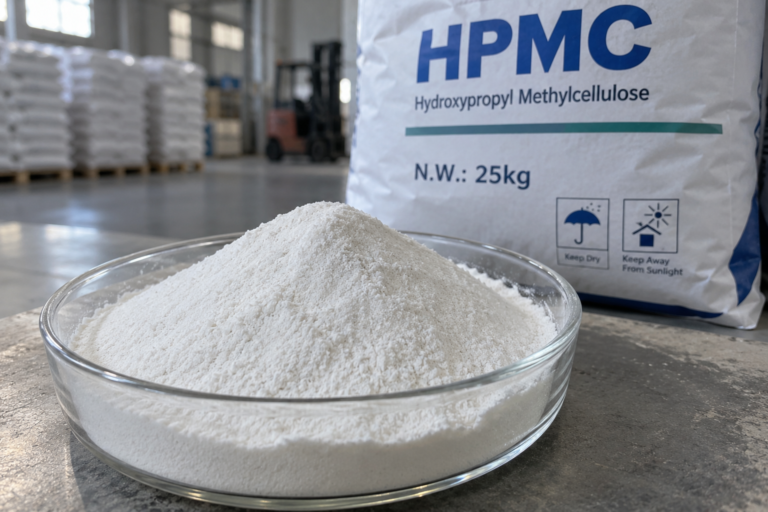
Key performance and technical information are available on the Product page.
View Product Details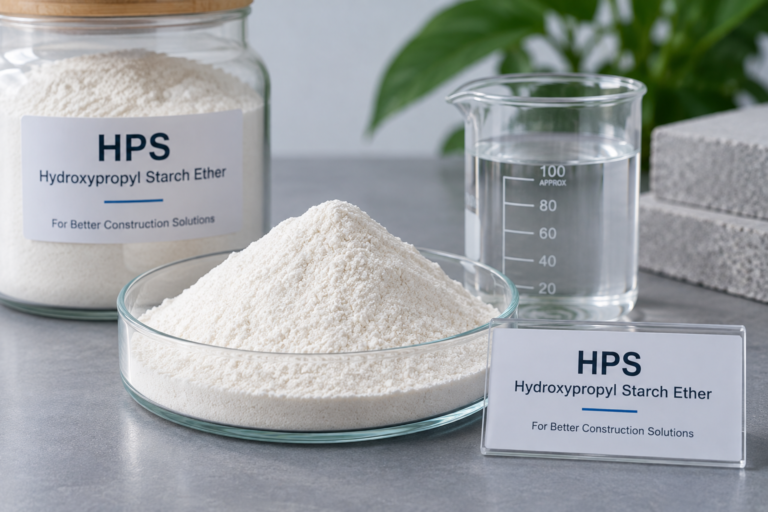
Key performance and technical information are available on the Product page.
View Product Details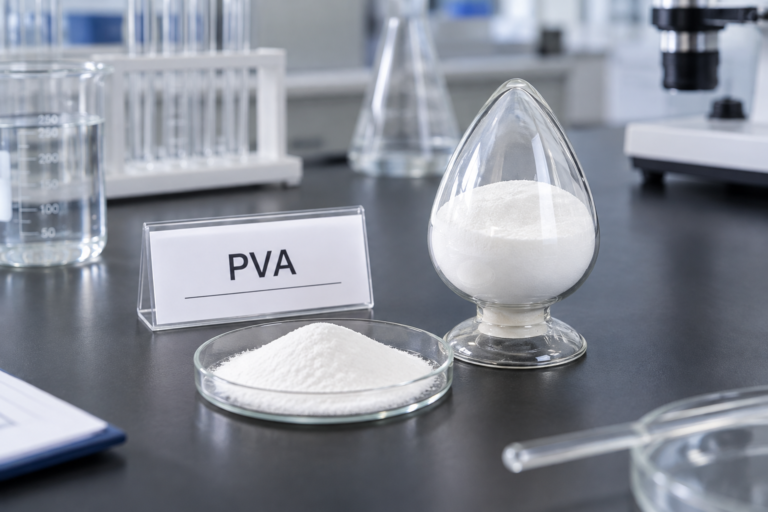
Key performance and technical information are available on the Product page.
View Product Details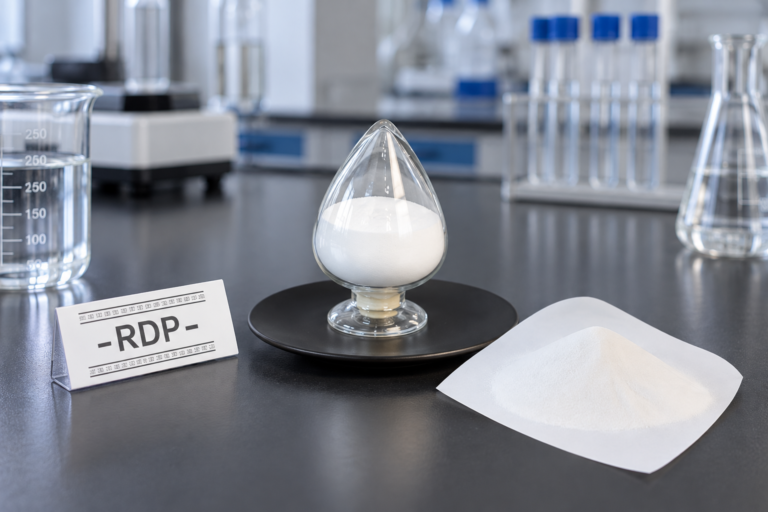
Key performance and technical information are available on the Product page.
View Product Details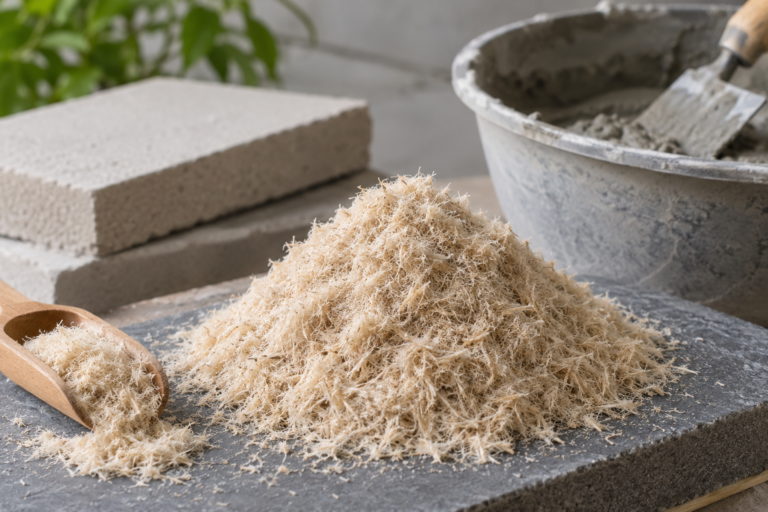
Key performance and technical information are available on the Product page.
View Product DetailsUse the recommended Product pages as your starting point for key performance and technical information, then evaluate the best fit for your formulation and application goals.
Review Recommended Products