
+
Flowability
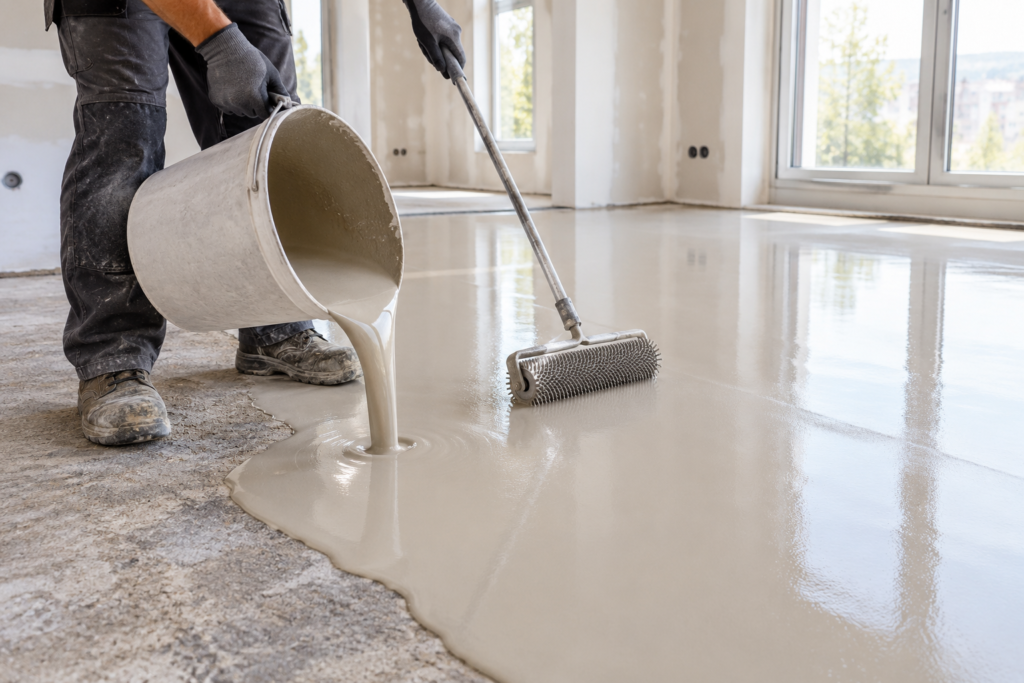
High flowability allows the gypsum-based compound to spread under its own weight and form a level floor with minimal manual assistance.
Explore the functional requirements that guide material selection, product matching, and application testing.
High flowability allows the gypsum-based compound to spread under its own weight and form a level floor with minimal manual assistance.
Good flow retention provides sufficient time for pouring, spreading and connecting adjacent batches without ridges or visible joints.
Controlled setting time provides adequate working time while ensuring timely hardening and predictable construction progress.
Proper stability prevents water separation and particle settlement while maintaining the required self-leveling performance.
Controlled water retention supports complete gypsum hydration and prevents rapid moisture loss to absorbent substrates.
Stable expansion and shrinkage behavior reduces cracking, curling and dimensional changes during drying and curing.
Strong adhesion ensures reliable bonding to the prepared substrate and reduces hollow areas, lifting and delamination.
Efficient air release reduces trapped bubbles, pinholes and surface craters, producing a denser and smoother floor.
Good leveling and finishing properties create a uniform surface suitable for installing wood flooring, vinyl, carpet or other floor coverings.
Sufficient early strength and hardness allow earlier foot traffic and reduce powdering or damage during subsequent construction.
Open each topic to understand common issues and the considerations behind a more stable application result.
The mixed compound does not spread smoothly under its own weight, requiring excessive manual leveling and resulting in an uneven floor.
The material loses fluidity rapidly after mixing, making it difficult to pour and connect adjacent batches without visible joints.
The compound sets too quickly or too slowly due to temperature, gypsum quality or additive variations, making construction progress difficult to control.
Water separates on the surface while heavier particles settle, causing uneven composition, weak surfaces and inconsistent strength.
Cracks develop during drying because of excessive water, unstable expansion and shrinkage or unsuitable application thickness.
The self-leveling layer does not bond firmly to the substrate, resulting in hollow areas, edge lifting or delamination.
Trapped air remains in the fresh compound and forms pinholes, bubbles or small craters on the finished surface.
The cured surface remains soft or dusty and may wear away during walking, grinding or subsequent floor installation.
Excess moisture remains in the self-leveling layer for too long, delaying the installation of flooring materials and increasing project time.
The cured gypsum-based layer softens, loses strength or becomes damaged when exposed to excessive moisture or unsuitable wet environments.
Visit each Product page to review the available product-specific key performance information, technical details, and suitability for your requirements.
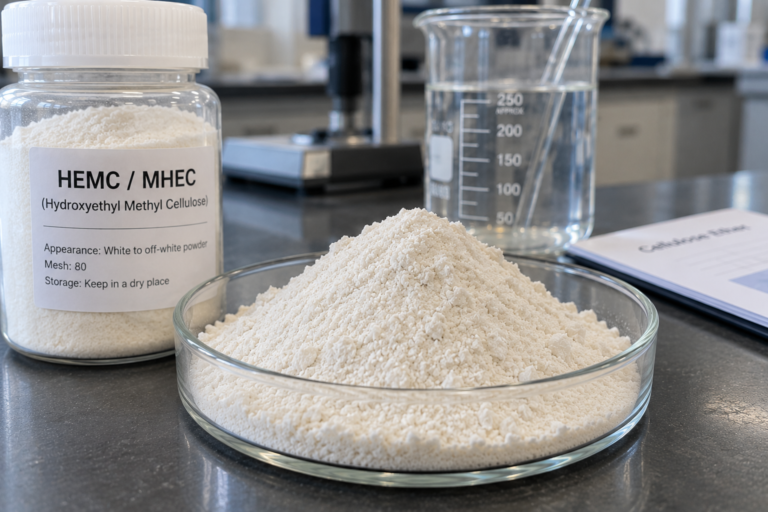
Key performance and technical information are available on the Product page.
View Product Details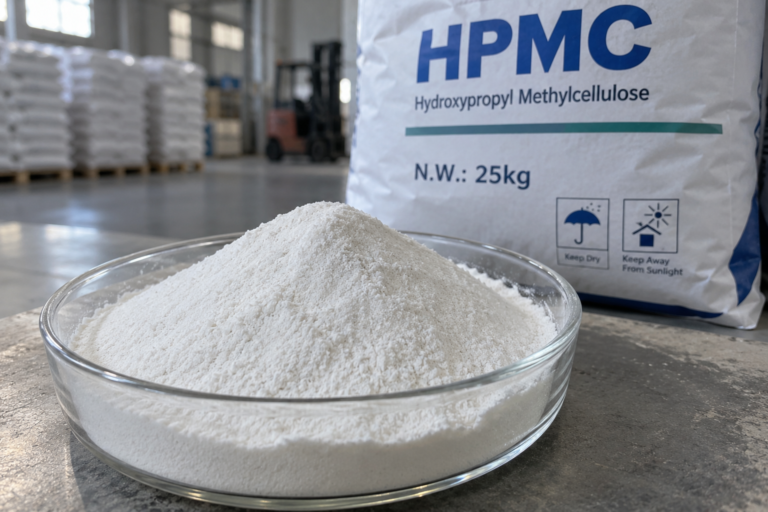
Key performance and technical information are available on the Product page.
View Product Details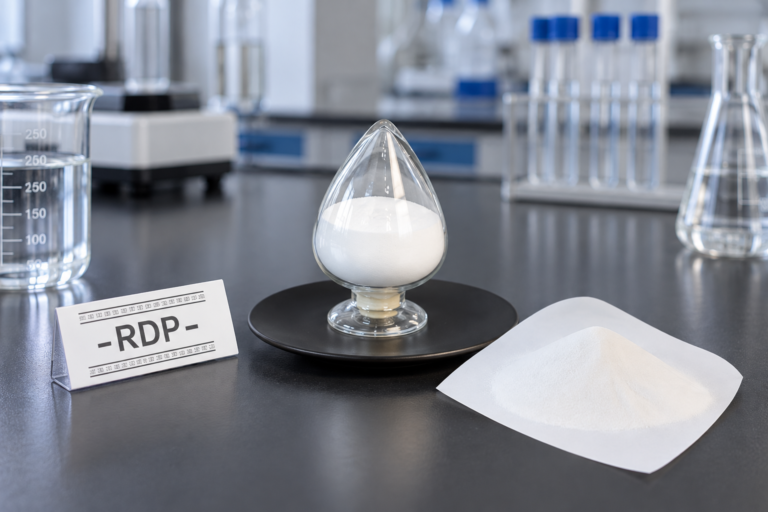
Key performance and technical information are available on the Product page.
View Product Details
Key performance and technical information are available on the Product page.
View Product DetailsUse the recommended Product pages as your starting point for key performance and technical information, then evaluate the best fit for your formulation and application goals.
Review Recommended Products