
+
Water Retention
Adequate water retention prevents rapid water loss to the substrate or environment, supporting proper cement hydration and maintaining workable mortar consistency.
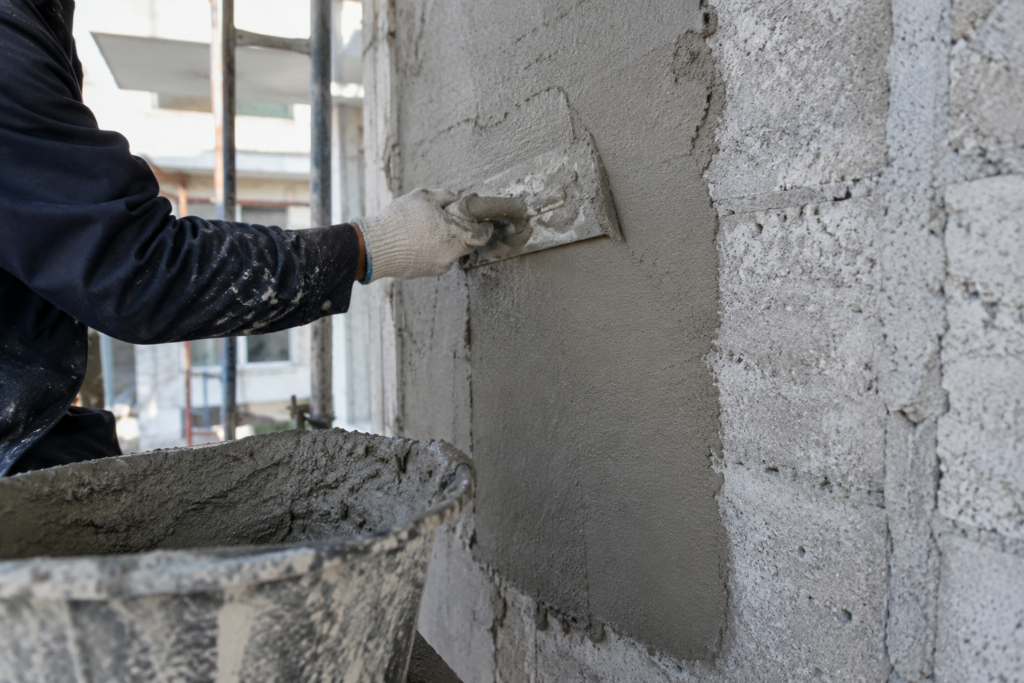
Explore the functional requirements that guide material selection, product matching, and application testing.
Adequate water retention prevents rapid water loss to the substrate or environment, supporting proper cement hydration and maintaining workable mortar consistency.
Good workability makes mortar easier to mix, spread, trowel and finish, helping improve construction efficiency and application quality.
Sufficient open time allows workers more time for application, adjustment and finishing before the mortar loses its workable properties.
Good sag resistance helps mortar maintain its position and applied thickness on vertical surfaces, reducing slumping and downward movement.
Proper rheology provides the right balance between flow and stability, helping the mortar remain easy to apply while maintaining its shape after application.
Good internal cohesion keeps mortar components uniformly integrated, improving application stability and reducing loose or unstable mortar behavior.
Improved crack resistance helps the hardened mortar withstand drying shrinkage and minor substrate movement, reducing the risk of cracking during service.
Proper early strength development shortens waiting time after application and supports faster subsequent construction processes.
Stable batch-to-batch performance helps manufacturers maintain consistent water demand, viscosity, workability and finished mortar quality.
Open each topic to understand common issues and the considerations behind a more stable application result.
Mortar loses water too quickly after application, especially on highly absorbent substrates or under hot and dry conditions, resulting in insufficient hydration and reduced application performance.
Mortar feels heavy, sticky, rough, or difficult to spread during application, increasing labor effort and reducing construction efficiency.
Mortar consistency changes noticeably during mixing or application, making it difficult to maintain uniform handling and application performance.
Mortar loses workability too quickly after mixing or application, leaving insufficient time for spreading, adjustment, or finishing.
Mortar tends to slump or move downward after application on vertical surfaces, making it difficult to maintain the required thickness and surface quality.
Mortar does not develop sufficient bonding with the substrate, which may result in weak adhesion, hollow areas, or detachment after curing.
Cracks appear during drying or curing due to excessive water loss, shrinkage, insufficient flexibility, or an unbalanced formulation.
The mortar lacks internal cohesion and may feel loose or unstable during mixing and application, affecting handling and finished surface quality.
Mortar develops strength too slowly after application, extending waiting time and reducing construction efficiency, especially under low-temperature conditions.
Mortar performance varies between production batches, including differences in viscosity, water demand, workability, setting behavior, or application consistency.
Visit each Product page to review the available product-specific key performance information, technical details, and suitability for your requirements.
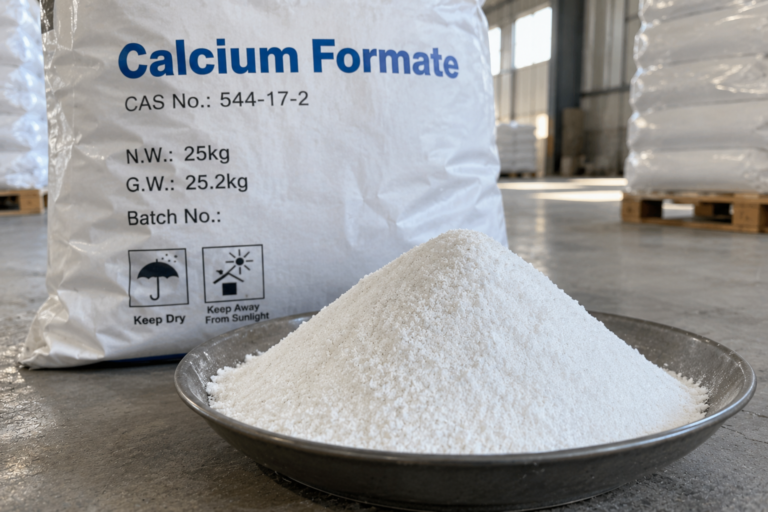
Key performance and technical information are available on the Product page.
View Product Details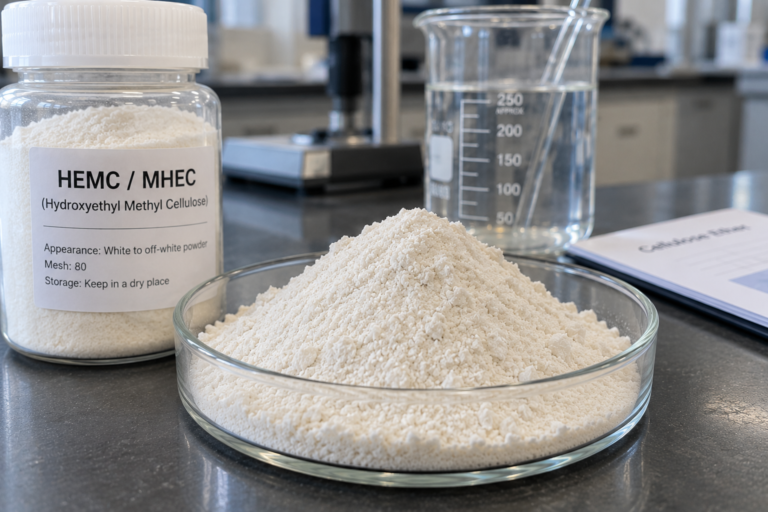
Key performance and technical information are available on the Product page.
View Product Details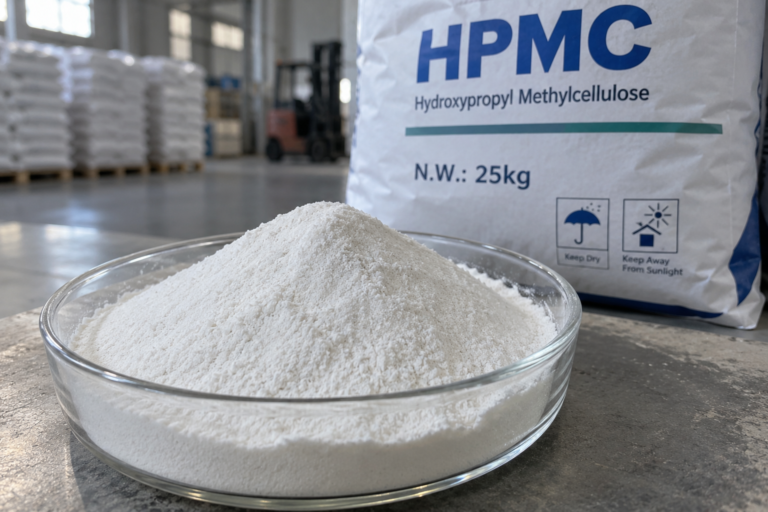
Key performance and technical information are available on the Product page.
View Product Details
Key performance and technical information are available on the Product page.
View Product Details
Key performance and technical information are available on the Product page.
View Product Details
Key performance and technical information are available on the Product page.
View Product DetailsUse the recommended Product pages as your starting point for key performance and technical information, then evaluate the best fit for your formulation and application goals.
Review Recommended Products